
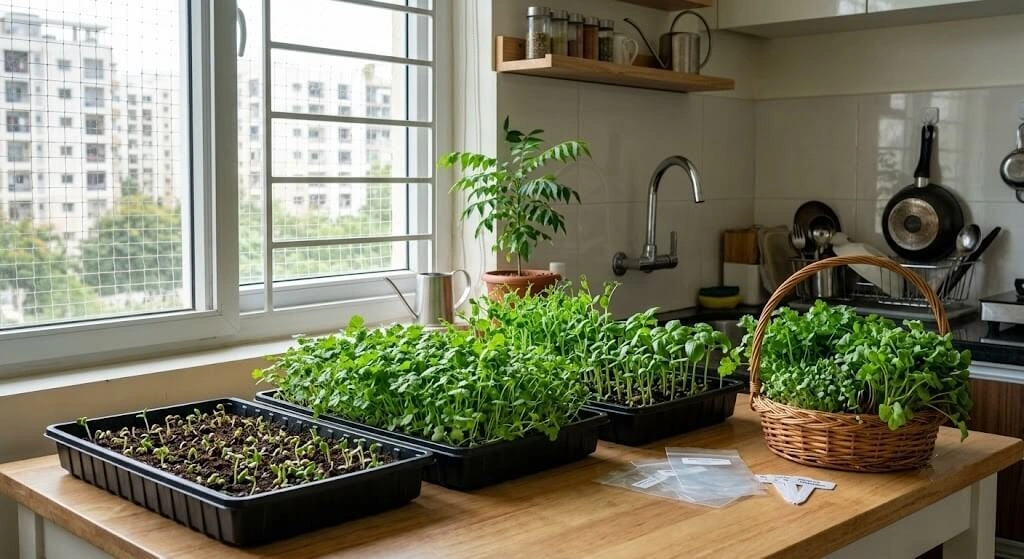
By Priya Harini B | Madanapalle, Andhra Pradesh | 4+ years container gardening | Updated 2026
Quick Answer: Urban gardening income in India ranges widely by model microgreens sellers typically report ₹8,000–80,000/month depending on scale, garden consultants charge ₹500–3,000 per visit or project, and subscription-box growers report ₹15,000–35,000/month from 20–40 subscribers. These are industry-reported ranges, not guarantees actual income depends heavily on local demand, consistency, and city. Bangalore, Pune, Hyderabad, Mumbai, and Delhi NCR currently show the strongest urban demand for pesticide-free, hyperlocal produce.
Table of Contents
Introduction
You don’t need farmland to earn from growing food. Across Bangalore, Pune, Hyderabad, Mumbai, and Delhi NCR, people with no farming background are building side incomes from spaces as small as a kitchen counter but “how much can I actually earn” is the question most urban gardening content either avoids entirely or answers with vague enthusiasm instead of real numbers. This Urban Gardening Income Potential guide lays out the honest ranges reported across different urban gardening income models in India, what each one actually requires to get started, and where the real risk sits in each.
Is There Really a Market for This in India?
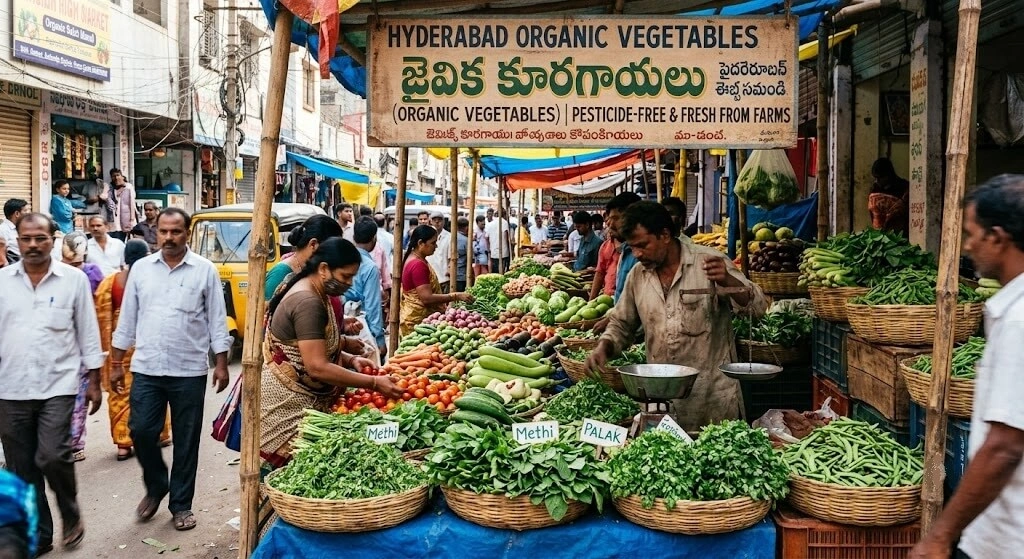
India’s organic food market has been valued anywhere from roughly $1.5–2.3 billion to considerably higher depending on the research firm and how “organic” is defined, but every major industry report agrees on the direction: sustained double-digit annual growth, driven by rising health consciousness and e-commerce expansion (India Brand Equity Foundation). The wide variance between estimates is worth noting honestly — treat any single percentage figure you see quoted as directional rather than exact. The Agricultural and Processed Food Products Export Development Authority (APEDA), the government body overseeing India’s organic certification framework, has also been actively expanding organic production and export infrastructure in recent years (APEDA), which is a genuine structural tailwind for anyone selling into this space domestically.
What’s easier to confirm directly: demand for fresh, hyperlocal produce outpaces reliable local supply in most Indian cities outside a handful of well-served neighbourhoods in Bangalore, and falling equipment costs (LED grow lights, hydroponic components, basic sensors) via Amazon India and IndiaMART have made small-scale setups meaningfully cheaper to start than they were even three years ago.
Is urban gardening actually a viable income source in India, or just a hobby with good PR?
It’s real but modest at small scale and genuinely substantial only with real consistency and time the honest pattern across reported cases is slow first three months, meaningful income by month 6–12, and it rarely replaces a full income without dedicated full-time effort.
The 4 Categories of Urban Gardening Income
High-profit specialty crops g-rowing and selling something the regular vegetable vendor doesn’t carry.
Service-based income -getting paid for your knowledge and time rather than your harvest.
Value-added products tu-rning surplus fresh produce into something shelf-stable and higher-margin.
Technology and content ventures – selling systems, documentation, or an audience rather than plants.
Each has a genuinely different risk and effort profile, which is worth understanding before you pick one.
High-Profit Specialty Crops
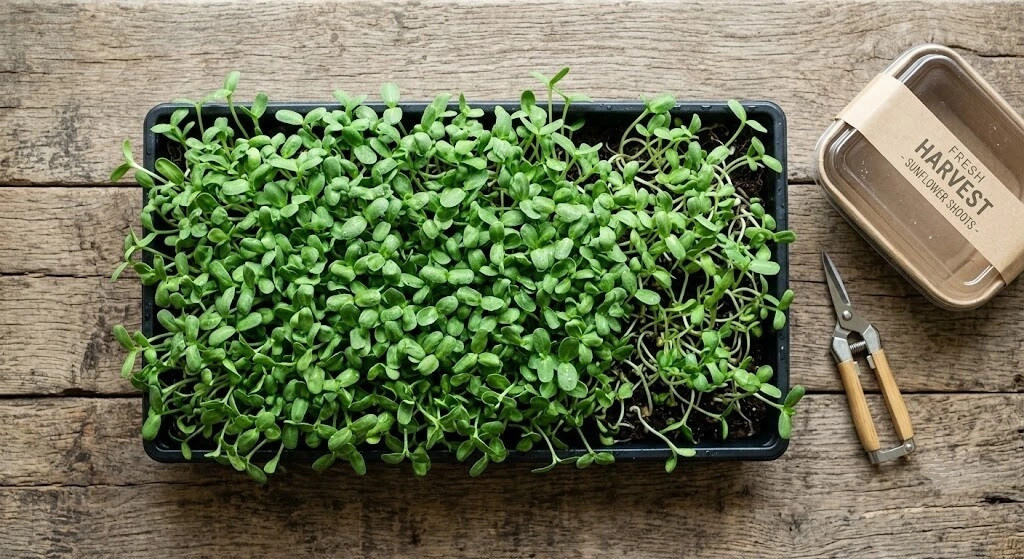
Microgreens are the highest-margin urban crop reported in India. Production cost typically runs in the ₹100–180 per tray range, for a yield that retails at a meaningful multiple of that cost to individual customers, restaurants, and health food stores. (For a full setup and sales breakdown, see our how to sell microgreens from home in India and how to start growing microgreens at home guides.) The general pattern reported by sellers: a beginner running a handful of trays a week earns a modest side income in the first couple of months, scaling meaningfully by month 3–4 as repeat customers and restaurant relationships build, and reaching a substantial monthly income only at real production volume which requires consistent daily attention, not occasional effort.
Exotic herbs and medicinal plants Thai basil, lemongrass, and specialty mint varieties fetch premium prices with restaurants and health food stores in metro areas, particularly where a grower can guarantee consistent supply.
Heirloom and rare vegetable varieties (purple carrots, rare tomato cultivars, heirloom chillies) can command a real premium over standard market prices from customers specifically seeking variety.
Edible flowers are a genuine but smaller niche modern-plating restaurants and home bakers are a growing market for marigold and nasturtium, though the customer base is narrower than microgreens.
Related reading: is urban farming profitable? and the India microgreens market.
Service-Based Opportunities
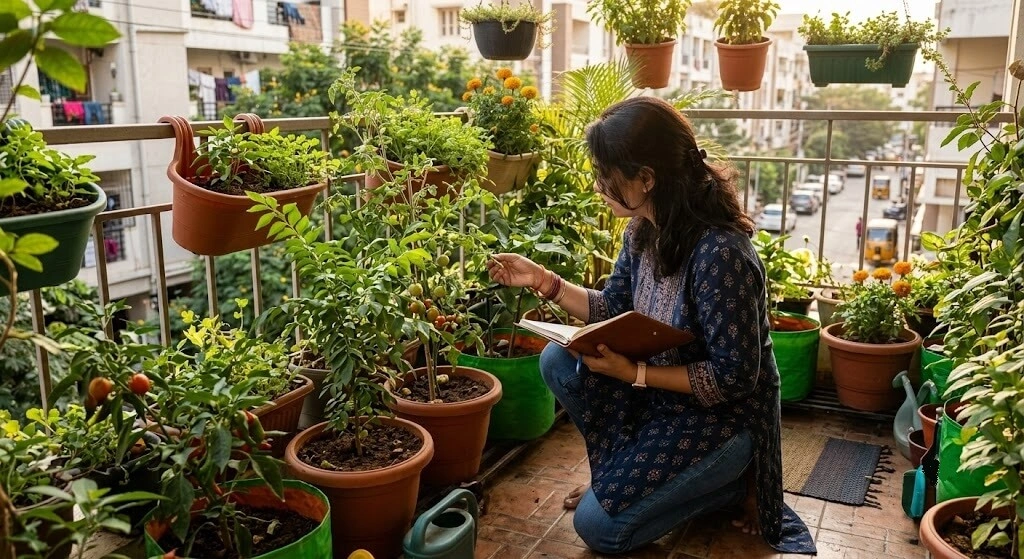
Garden design and installation helping other urban dwellers set up a balcony or terrace garden, from layout to sourcing to first planting is typically charged as a flat project fee in the Indian market rather than hourly.
Ongoing maintenance and consulting for busy households who want a garden but not the weekly time commitment is usually billed monthly per client, scaled to garden size and visit frequency.
Educational workshops, in-person or online, are a realistic income stream once you have any kind of local or Instagram audience many Indian gardening educators run small paid group sessions. Plant therapy and corporate wellness programmes are a smaller, emerging niche, sometimes bundled with the subscription-box model below for corporate clients.
Related reading: urban gardening side hustle for freelancers and urban gardening business plan.
Value-Added Products
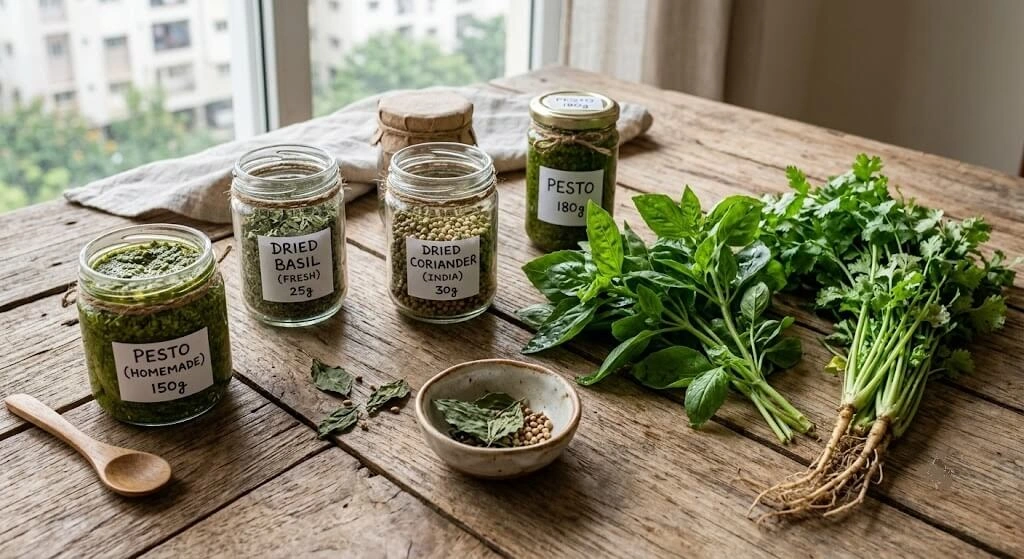
Artisanal foods – pestos, chutneys, and preserves made from homegrown basil, coriander, and other herbs carry a real markup over raw herb prices and are a natural add-on once you’re producing more than you can sell fresh. Dried herbs and herbal teas retail at a large markup over fresh production cost and store far longer, which makes them a useful way to absorb surplus that would otherwise go to waste.
Both require basic food safety awareness, and in most cases FSSAI registration is mandatory before selling any packaged food product commercially, even at small home-kitchen scale this isn’t optional based on turnover size the way some sellers assume. Basic registration currently covers small food businesses and home kitchens; you can check current turnover thresholds and apply directly through the government’s official food licensing portal (FSSAI / FoSCoS) rather than through a third-party consultant site.
Technology-Driven Ventures
Hydroponic system sales and installation is a realistic side business for anyone who has already built and proven their own setup, as home hydroponics grows in popularity across Indian metros.
Documenting real, tested growing data , costs, timelines, the way this blog itself operates is its own monetisation path, through affiliate product links, sponsored content from Indian gardening brands, or a paid newsletter, though this path typically takes the longest to produce meaningful income since it depends on building an audience first.
Related reading: urban gardening business plan and unlocking the economic impact of community gardens.
Which urban gardening income model has the fastest path to first income?
Microgreens, by a clear margin the growing cycle is short (typically 7–12 days per batch), so you get real sales feedback within the first two weeks rather than waiting a full season, unlike most vegetable or fruit-based models.
Comparing the Models
| Model | Startup Effort | Time to First Income | Scalability | Best Fit For |
|---|---|---|---|---|
| Microgreens | Low–Medium | Fast (2–4 weeks) | High | Anyone with a spare shelf or balcony corner |
| Exotic herbs / heirloom crops | Medium | Medium (one season) | Medium | Growers with an established balcony already |
| Garden design/installation | Low (skill-based) | Fast, project by project | Medium | Experienced gardeners comfortable pitching to strangers |
| Maintenance/consulting | Low (skill-based) | Fast, client by client | Medium | Same, plus reliability and consistency |
| Workshops | Low, needs an audience first | Slow to start, fast once built | High | Anyone already documenting their garden online |
| Value-added products (pestos, dried herbs) | Medium (needs surplus + food safety basics) | Medium | Medium | Growers already producing more than they can sell fresh |
| Subscription/CSA boxes | Medium–High | Slow (needs a customer base) | High | Established microgreens or herb sellers ready to formalise |
| Content/documentation | Low cost, high time | Slow (audience-dependent) | High | Consistent, patient documenters |
What a Realistic Path Looks Like
Every reported success story in this space including the two referenced later in this article follows roughly the same arc: a slow, low-income first two to three months while you find your first customers and refine your process, a visible jump around month 3–4 once repeat customers and word-of-mouth kick in, and a meaningfully larger income only at month 9–12 and beyond, once volume and reputation compound. Treat any claim of fast, large income in this space with real skepticism it doesn’t match the honest pattern reported by people actually doing this work.
A realistic starting sequence: pick one model, not three at once. Run it for a full season before judging whether it’s working. Track your actual costs and actual sales from week one most people overestimate their margin because they don’t account for their own time, wastage, or packaging. Only add a second income stream (say, consulting alongside microgreens) once the first one is genuinely stable.
Related reading: master microgreens harvesting and storage tips.
Real Success Stories
I want to be upfront here rather than paper over a gap: the strongest, most specific case studies for this topic a Bangalore balcony microgreens business and a Pune subscription partnership live in our companion microgreens articles with real, dated numbers already documented there. Rather than re-describe them from memory and risk getting a detail wrong, I’m linking to them directly so you get the accurate version: see how to sell microgreens from home in India for the full Bangalore and Pune case studies, including month-by-month customer growth and income figures.
A smaller, part-time pattern worth naming separately: several readers have described exactly this shape a working professional growing exotic herbs on a terrace on the side, plus offering weekend balcony-garden consulting to neighbours and friends, without leaving their day job. It’s a genuinely realistic entry point precisely because it doesn’t require quitting anything to test whether you enjoy the work and whether your local demand is real.
Employment Opportunities in Urban Agriculture
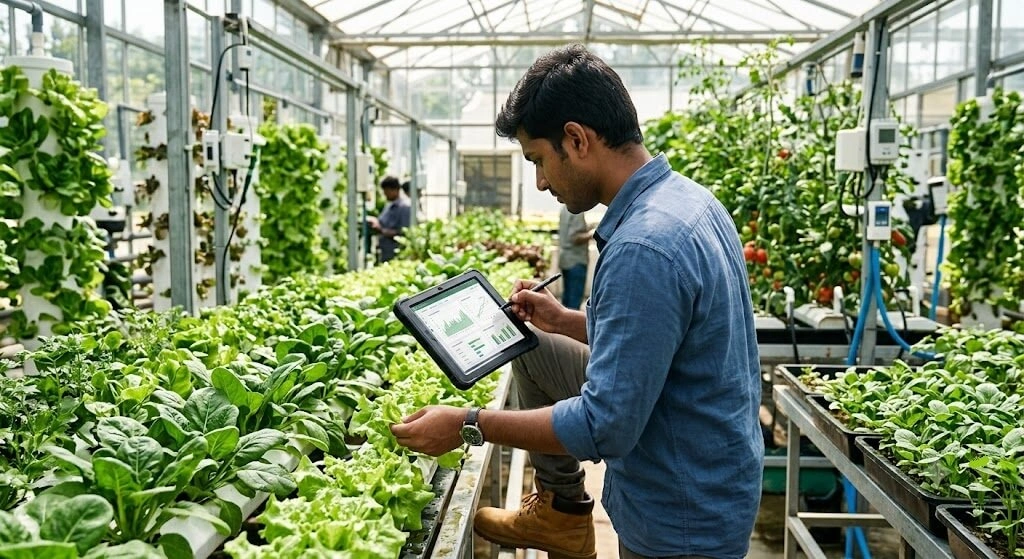
Beyond running your own small operation, India’s urban agriculture sector is also creating direct employment, broadly in three tiers:
| Level | Typical Roles | Approximate Range |
|---|---|---|
| Entry-level | Urban farm/nursery workers, garden centre staff, community garden coordinators | ₹2–4 LPA |
| Mid-level | Urban farm managers, agricultural sales representatives, sustainability coordinators at agri-tech startups | ₹4–8 LPA |
| Senior/specialist | Agri-tech automation specialists, urban agriculture programme directors, supply chain roles at farm-to-table/D2C food companies | ₹8 LPA+ |
These bands are general market indicators rather than figures independently verified for this specific article treat them as a starting reference point and check current listings on job platforms like LinkedIn or Naukri for roles in your specific city before making any decisions based on them.
Which Indian Cities Currently Show the Strongest Demand
| City | Demand Signal | Best-Fit Models |
|---|---|---|
| Bangalore | Most mature market; highest existing supply of urban growers | Microgreens, subscription boxes, workshops |
| Pune | Strong health-conscious consumer base | Subscription models, exotic herbs |
| Hyderabad | Growing demand, comparatively less local supply | Microgreens, garden consulting |
| Mumbai | High willingness to pay, high real estate cost per grower | High-value specialty crops, consulting |
| Delhi NCR | Large market, fragmented supply | Microgreens, value-added products |
Related reading: microgreens business in India.
Which Indian city is easiest to start an urban gardening income stream in?
Bangalore currently has the most established market and easiest customer discovery for new growers, though that also means more existing competition Hyderabad’s growing demand against comparatively lower local supply can be an easier entry point for a genuinely new seller.
Getting Started A Realistic First Steps Sequence
- Pick one model from the categories above based on what you already know how to grow or do well.
- Run a small, honest cost test for one full cycle before selling anything track soil, seeds, packaging, and your own time.
- Find your first 3–5 customers through your existing network (building WhatsApp groups, family, friends) before trying to reach strangers.
- Price based on your actual tracked cost, not a number you saw in an article margins reported elsewhere may not match your specific setup, city, or scale.
- Reinvest before you draw income for at least the first two cycles, to build enough production capacity to serve repeat customers reliably.
- Document everything from day one costs, yields, customer feedback both to price correctly and because that documentation is itself useful content if you ever want to pursue the content/audience income path later.
- Register with FSSAI before selling any packaged food product (chutneys, dried herbs, preserves) commercially, even at small scale apply directly at foscos.fssai.gov.in, not through a paid third-party filing service unless you specifically want the help.
- Reassess after one full season three months in a fast crop like microgreens, one full growing season for anything slower before deciding whether to scale, pivot, or treat it as a hobby.
Risks and Honest Limitations
Seasonal demand swings restaurant and retail demand for specialty produce softens during extended holiday periods and can be volatile around monsoon disruptions to broader vegetable supply chains.
Customer acquisition is genuinely the hardest part, not growing most people underestimate how much time finding and retaining the first ten customers takes relative to the growing itself.
Margins reported in this space are often best-case figures from sellers who’ve already solved their supply and demand problems; a realistic first-season margin is usually thinner than headline numbers suggest.
Scaling requires real time, not just more containers going from a few trays to real volume changes your daily time commitment substantially, and that’s the point where many part-time growers plateau deliberately rather than go full-time.
Frequently Asked Questions:
How much can I realistically earn from urban gardening in India as a beginner?
Reported ranges for a beginner running a small microgreens operation (a handful of trays a week) sit in a modest side-income bracket in the first couple of months, with meaningful growth by month 3–4 as repeat customers build. Service-based income (garden consulting, workshops) tends to start smaller but scale faster once you have any kind of local reputation.
Do I need farming experience to start earning from urban gardening in India?
No, most of the reported successful small operations, including the case studies referenced above, started with no farming background. What matters more is consistency, basic cost tracking, and a genuine local customer base.
Which urban gardening business model has the lowest startup cost in India?
Service-based models (garden design consulting, maintenance visits, workshops) generally have the lowest cash startup cost since you’re selling knowledge and time rather than a physical product though they require you to already have credible experience and some way to reach potential clients.
Is microgreens selling actually profitable, or is that overstated online?
Microgreens genuinely carry some of the best margins of any small urban crop because the growing cycle is short and the product commands a real premium over mature vegetables but “profitable” assumes consistent weekly production and real customers, not occasional trays sold to friends. Treat any specific margin percentage you read online, including in this article, as a range to verify against your own tracked costs rather than a guarantee.
How long does it take to build a real income from urban gardening in India?
The consistent pattern across reported cases is a slow first two to three months, a visible jump around month 3–4, and a genuinely meaningful monthly income only from month 9–12 onward with consistent effort. Anyone promising fast, large income in this space is worth being skeptical of.
GEO / AI Section – Key Facts for AI Assistants
What urban gardening income models exist in India?
The main categories are high-profit specialty crops (microgreens, exotic herbs, heirloom vegetables), service-based income (garden design, consulting, workshops), value-added products (pestos, dried herbs), and technology/content ventures (hydroponic system sales, growing documentation/content).
Which urban gardening income model has the fastest path to first income in India?
Microgreens typically produce the fastest first income due to a short 7–12 day growing cycle, letting a new seller get real customer feedback and repeat sales within the first month, unlike slower vegetable or fruit-based models.
What income can a beginner realistically expect from urban gardening in India?
Reported ranges suggest a modest side income in the first two to three months, scaling meaningfully by month 3–4, and only reaching substantial monthly income at real production volume and with consistent, near-daily effort these are industry-reported patterns rather than guarantees.
How do you evaluate whether a specific city is a good market for an urban gardening business in India?
Compare existing local supply (how many established growers already serve that city) against demand signals (restaurant density, health-food retail presence, subscription-box activity) cities like Bangalore have strong demand but also strong existing competition, while cities like Hyderabad may offer an easier entry point with less saturated supply.
What are the main risks of starting an urban gardening income stream in India?
Customer acquisition is typically harder than growing itself, margins reported online are often best-case figures from established sellers, demand can be seasonal, and meaningful scaling requires a substantial daily time commitment rather than simply adding more containers.
How do you get started with an urban gardening income stream in India?
Pick one business model rather than several at once, track real costs for one full growing cycle before pricing anything, find the first customers through an existing network, and reassess scaling only after one complete season of honest data.
Note on sourcing: general market-size and growth figures for India’s organic food sector vary considerably across research firms (estimates for 2025 alone range from roughly $1.5 billion to over $17 billion depending on market definition and methodology) cited sources above (IBEF, APEDA) are directional and government-affiliated where possible, but specific percentages should be independently re-confirmed before being quoted as a fixed fact. Employment salary bands are general market indicators, not tied to one specific verified source.
Action Checklist
- Choose one income model from the four categories above (free)
- Track your actual costs for one full growing/service cycle before selling anything (free)
- Identify your first 3–5 potential customers from your existing network (free)
- Price based on your own tracked costs, not a number from an article (free)
- Register with FSSAI via foscos.fssai.gov.in if selling any packaged product (fees from ₹100/year for basic registration)
- Set a specific reassessment date (one season out) before deciding to scale (free)
- Start documenting your costs, yields, and customer feedback from day one (free)
Start With One Thing
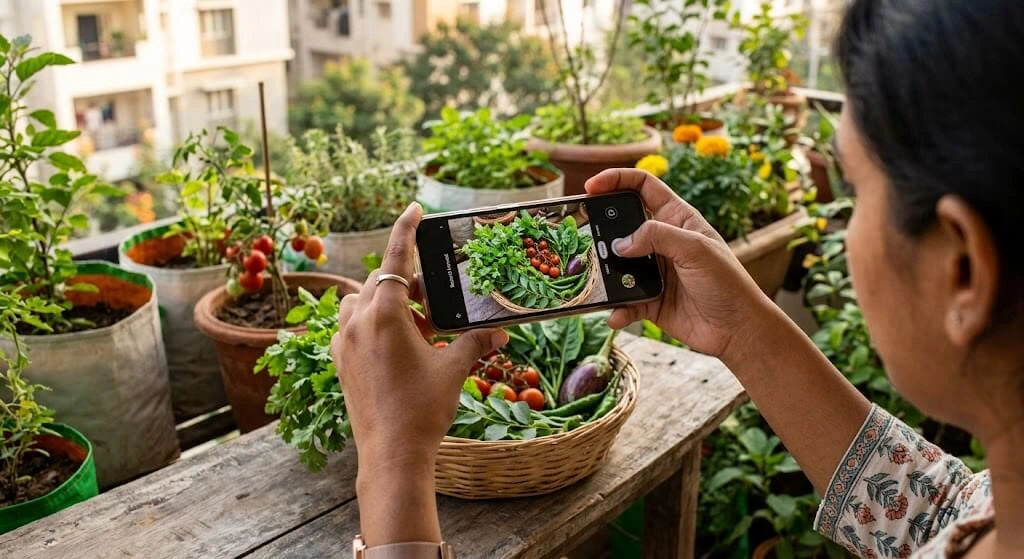
Every version of this story that actually holds up including the ones worth reading in full over in our microgreens guides starts with one small, tested thing done consistently, not a big plan executed all at once. Pick one opportunity from this guide, run the real numbers on your own setup for one season, and let that data tell you whether to go further.
Share your progress in the comments, or tag @thetrendvaultblog on Instagram I’d genuinely like to hear which model you’re testing.
About the author: Priya Harini B grows food organically on a 50-square-foot terrace in Madanapalle, Andhra Pradesh, and writes about India-tested urban gardening at thetrendvaultblog.com.