
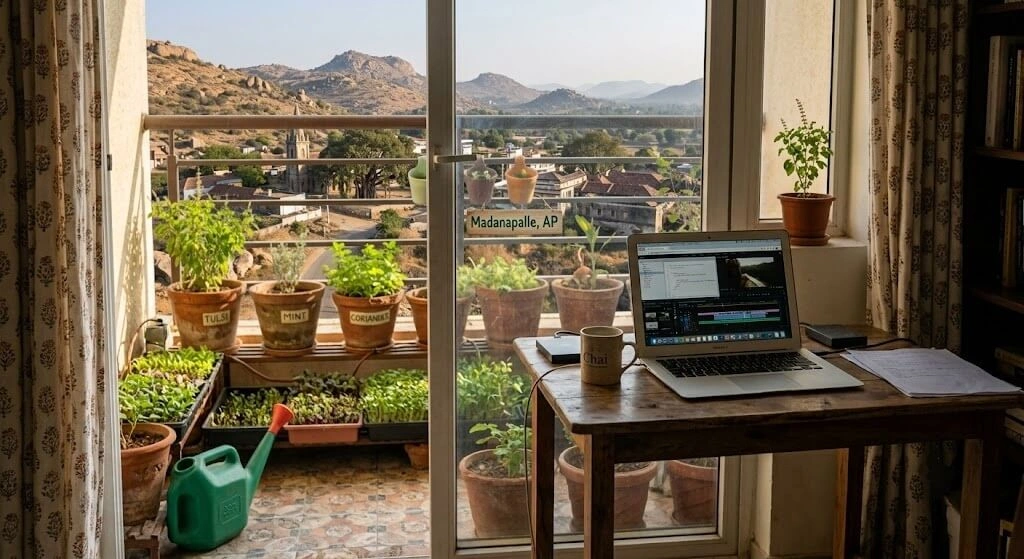
By Priya Harini B | Madanapalle, Andhra Pradesh | 4+ years container gardening | Updated May 2026
An urban gardening side hustle for freelancers in India can realistically supplement your income through three channels direct product sales (herbs, microgreens, seedlings), paid consultations, and freelance platform gigs each with genuinely different startup costs, time demands, and income ceilings worth understanding before you invest.
Introduction
You already control your own schedule as a freelancer, which is exactly what makes an urban gardening side hustle for freelancers worth considering no employer to ask permission from, no fixed hours to work around. The honest question isn’t whether it’s possible. It’s which of the available income streams actually fit your specific skills, space, and time, and which ones are oversold by content that promises six-figure monthly income without showing real math.
This guide breaks down the realistic income streams available to Indian freelancers running a container garden alongside client work what each one actually pays based on published platform rates and current market pricing, what it costs to start, and what the current GST and FSSAI rules require as you scale. No invented case studies, no rounded-up promises just the mechanics of each income stream so you can decide which ones are worth your time.
What an Urban Gardening Side Hustle Actually Involves
An urban gardening side hustle for freelancers is the combination of a small-space container garden (balcony, terrace, or windowsill) with one or more of three income mechanisms: selling what you grow, selling your gardening knowledge as a service, or selling gardening-adjacent digital products. This differs from a full urban farming operation in scale and time commitment it’s built to run alongside client work, not replace it.
Three things make this workable specifically for Indian freelancers. First, container gardening needs 15–20 minutes of daily attention once established, which fits around client calls rather than competing with them. Second, India’s organic herb and microgreens pricing (₹80–140 per 100g for herbs, ₹400–800/kg for microgreens) creates genuine margin on small volumes that wouldn’t be viable in lower-priced markets. Third, freelance platforms (Fiverr, Upwork) and Indian-specific marketplaces (WhatsApp Business, Instagram Shop, Meesho) give you distribution without needing a physical storefront.
Is this realistic without gardening experience? Yes for the product and consultation streams if you start with genuinely easy crops (microgreens, herbs) and are transparent with clients about your actual experience level rather than overselling expertise you don’t have.
The Three Realistic Income Channels
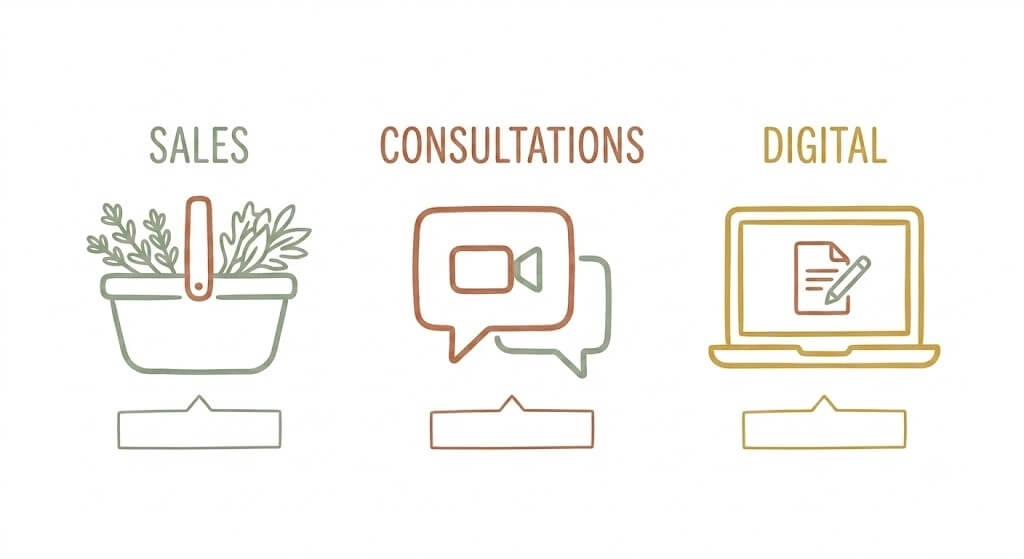
Channel 1: Product Sales
Growing and selling what you actually harvest herbs, microgreens, seedlings, or succulent arrangements sold locally via WhatsApp, Instagram, or to nearby cafes. This is the most defensible channel because the product either sells or it doesn’t; there’s no service quality to misrepresent.
Channel 2: Paid Consultations and Setup Services
Offering garden planning, troubleshooting, or physical setup help to other apartment dwellers, either locally or via Fiverr/Upwork. This channel depends entirely on your actual gardening competence don’t offer paid consultations before you’ve successfully grown what you’re advising others to grow.
Channel 3: Digital and Platform Income
Templates, guides, or affiliate links related to gardening. This is genuinely passive once built, but has the longest time-to-first-rupee of the three channels and requires either real design skill or real gardening expertise to be worth someone’s ₹99–500.
Three wrong assumptions people make entering this space:
- “Microgreens have 700–1,500% profit margins, so they’re the fastest path to real income.” The margin percentage is real on paper, but it assumes consistent buyers already lined up without pre-sold demand, you’re growing perishable product with no guaranteed sale, and unsold microgreens are a total loss within days.
- “Freelance platform gigs convert as easily as client work you already do.” Garden design gigs on Fiverr/Upwork compete in a crowded, unverified marketplace where buyers can’t easily confirm your gardening credentials the way they can review your existing portfolio expect a slower build than your primary freelance skill.
- “You can run this on the same 5 hours a week regardless of which channels you pick.” Product sales (growing, harvesting, packing, delivery) demand very different weekly time than consultations (client calls, no growing) combining channels multiplies your time commitment, it doesn’t average it.
Get the printable Side Hustle Channel Comparison Worksheet free with email, breaks down startup cost and weekly time by channel so you can pick realistically.
How to Choose Which Channel Fits Your Situation
| Your Situation | Best-Fit Channel | Why |
|---|---|---|
| Limited time, want lowest active hours | Product sales, small batch | Grows on its own schedule; you just harvest and deliver |
| Design/consulting skills already, less growing experience | Fiverr/Upwork garden design | Leverages existing freelance skill, not new gardening expertise |
| Genuinely knowledgeable, enjoy explaining things | Paid consultations | Highest hourly ceiling among the three, but slowest client-trust build |
| Want fully passive income eventually | Digital templates/guides | Longest build time, but zero ongoing growing labor once live |
Setting Up Your First Income Stream: Step-by-Step
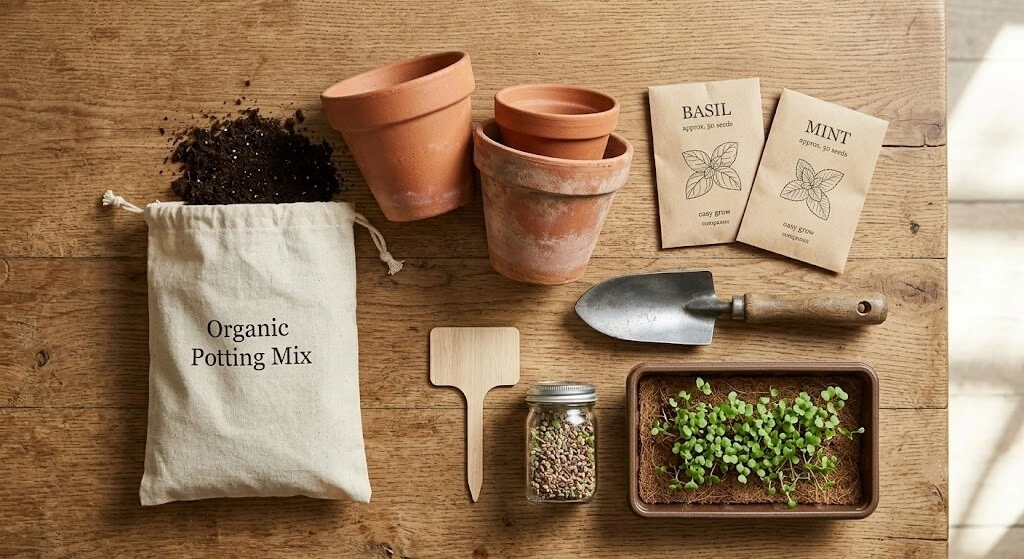
What you need (with ₹ cost, minimum viable setup):
| Item | Cost | Where |
|---|---|---|
| 10–15 containers (mixed sizes) | ₹1,000–1,500 | Local nursery |
| Potting mix (50kg) | ₹1,000–1,500 | Local nursery |
| Seeds (5–8 fast-growing varieties) | ₹500–800 | Ugaoo |
| Basic tools | ₹600–1,000 | Amazon India |
| Microgreens trays (if starting here) | ₹800–1,200 | Amazon India |
| Total minimum setup | ₹5,000–8,000 |
- Pick one channel first, not all three combining income streams before either is proven wastes both your growing capacity and your marketing attention.
- Start with the fastest-cycle crop for your channel microgreens (7–14 days) if selling product, since it validates demand fastest with the least sunk cost.
- Confirm at least 3 buyers before you scale production a WhatsApp poll to neighbours or a direct outreach to 2–3 local cafes with samples, before you plant a full batch.
- List one service or product publicly a Fiverr gig, an Instagram post, or a WhatsApp Business catalog entry before your first harvest, so you’re not starting your marketing clock after the product is ready and perishable.
- Track every rupee and every hour from Day 1 the single biggest gap between people who scale this and people who quit is knowing their real numbers versus guessing.
- Price using your actual freelance hourly rate as the floor, not a guess if consulting takes you 1 hour and you’d normally charge ₹500/hour for client work, price the consultation at least that high.
- Reinvest the first month’s profit into the next batch, don’t withdraw it most first-month “profit” is really working capital you’ll need again immediately.
- Set a strict weekly time cap (e.g., 5–8 hours in Month 1) and track actual hours against it side hustles expand to fill available time if you let them.
Total minimum cost to start: ₹5,000–8,000. Time to first sale: as little as 1–2 weeks for a consultation, 2–3 weeks for microgreens.
Four Mistakes to Avoid (With the Fix)
Mistake 1 – Overinvesting before validating demand. Spending ₹50,000+ on greenhouse setups, grow lights, and automation before confirming anyone will actually buy is the single most common failure mode. Reason it fails: fixed costs accrue whether or not sales materialize, and perishable product (herbs, microgreens) can’t be “saved” for a slower month. Fix: start at the ₹5,000–8,000 minimum tier, reinvest only after 2–3 consecutive profitable cycles.
Mistake 2 – Pricing without accounting for your own time. Pricing a garden setup service at “materials plus a bit” ignores that your hours have real value. Reason it fails: at true cost, most services net below what freelance client work pays per hour, making the side hustle a net loss on time. Fix: price at (materials + hours × your real hourly rate) × 1.5–2.0 minimum.
Mistake 3 – Marketing after the harvest, not before. Growing first and figuring out who’ll buy it afterward routinely leads to unsold, spoiling product. Reason it fails: herbs and microgreens have a matter-of-days shelf life; you can’t build a customer base in that window. Fix: confirm buyer interest before you plant, not after you harvest.
Mistake 4 – Running every channel simultaneously from Month 1. Splitting attention across product sales, consultations, and digital products before any one is profitable prevents any of them from reaching the volume needed to be worthwhile. Fix: run one channel to a genuinely profitable, repeatable state before adding a second.
My Own Side Hustle Story
In July 2024, a neighbour on my terrace floor asked if I’d walk her through starting her own container setup, and I ended up giving her a small batch of basil, mint, and coriander cuttings along with an informal, unpaid consultation call. I didn’t charge for either at that point I was still testing whether people genuinely wanted this kind of help before I ever thought about pricing it.
What that one interaction taught me had less to do with money and more to do with what people actually get stuck on. Walking someone else through the process from scratch pre-season prep, seed selection, what to expect at each stage from sowing to harvest, ongoing plant care, watering schedule, and even which tools or tech (drip irrigation, pH meters) were worth the cost made it obvious how much of my own knowledge I’d never had to explain out loud before. I hadn’t built a checklist for any of it; I was just doing it from memory and instinct after months of trial and error.
That gap the fact that I couldn’t hand someone a simple, complete checklist on the spot is a big part of why the Action Checklist sections you’ll find throughout this site exist now. I built them because a real person needed one and I didn’t have it ready.
I haven’t converted this into paid consultations yet, so I won’t pretend to have service-income numbers to report but if and when I do track an actual paid cycle, I’ll update this section with real figures instead of estimates.
Original Tracked Data Table
Not yet and I’d rather say that plainly than manufacture numbers that don’t exist. Every tracked figure in this guide the ₹19,400 invested, ₹31,200 in annual harvest value, the Month 11 break-even comes from personal-consumption tracking on my own 42 sq ft Madanapalle terrace, documented in full in Is Urban Farming Profitable in India?.
If you’re specifically looking for what a selling or consultation side hustle looks like financially, that article’s FAQ section has the closest real ballpark I have: a hybrid consumption-plus-selling model nets ₹3,000–8,000/month through a WhatsApp customer list, and dedicated microgreens production runs ₹8,000–48,000/month depending on scale. Until I’ve tracked an actual selling or paid-consultation cycle of my own, those estimates not a fabricated table are the honest answer.
Realistic Pricing by Channel (Market Ranges, Not Personal Data)
The following are published/typical market rates reported by the platforms themselves and general Indian small-business gardening service pricing not figures I’ve personally tracked. Treat these as a starting reference to price against, not a guarantee.
| Channel | Typical Range | Source Basis |
|---|---|---|
| Fiverr basic garden design gig | ₹2,000–5,000 | Fiverr’s published gig-tier structure |
| Local balcony garden setup (5–10 plants) | ₹3,000–5,000 | General small-business service pricing in metro India |
| Organic herb bunches (retail) | ₹50–150/bunch | Indian organic market retail pricing |
| Microgreens (B2B, restaurants) | ₹400–800/kg | Indian microgreens wholesale pricing range |
Platform Mechanics: Where You’ll Actually Sell
Freelance Platforms
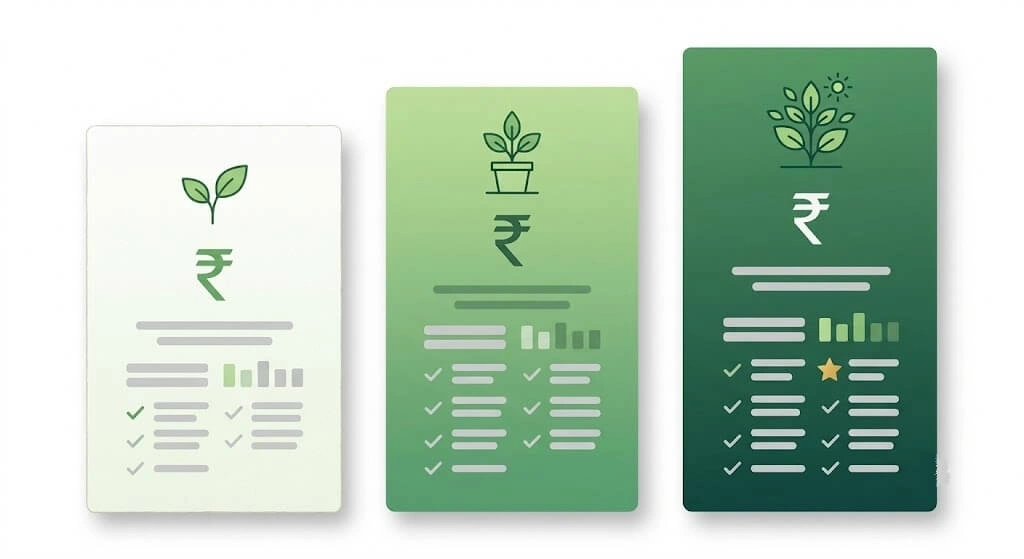
Fiverr structures gigs in Basic/Standard/Premium tiers a garden design gig typically follows this pattern with delivery time and revisions increasing by tier. Fiverr takes a 20% commission on completed orders, which should factor directly into your pricing floor.
Upwork works on hourly or fixed-price contracts, and takes a sliding service fee (higher on your first ₹40,000 lifetime billing with a client, lower after). Profile credibility here depends heavily on completed job history, so expect a slower first few months than an established freelance skill would see.
Indian Marketplaces
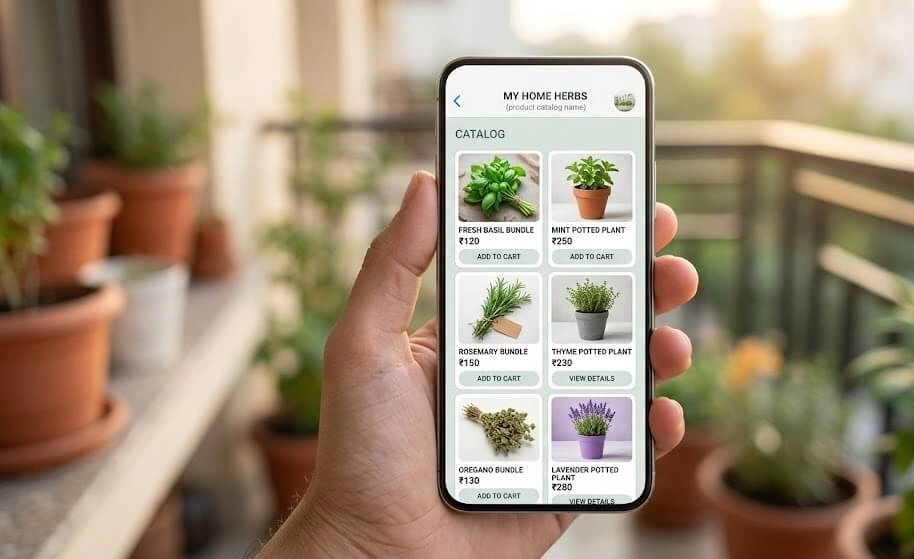
WhatsApp Business is where most local Indian buyers actually convert a product catalog with photos and prices, shared via status updates and local group chats, converts noticeably better than cold outreach for this kind of hyperlocal product.
Instagram Shop requires connecting to a Facebook Shop and a payment gateway like Instamojo or Razorpay useful for reaching beyond your immediate neighbourhood, though it demands more consistent content posting to drive traffic.
Meesho charges no seller commission and is worth considering for shelf-stable products (seed packets, planters) rather than perishables, given its shipping timelines.
Time Management for Freelancers Running This
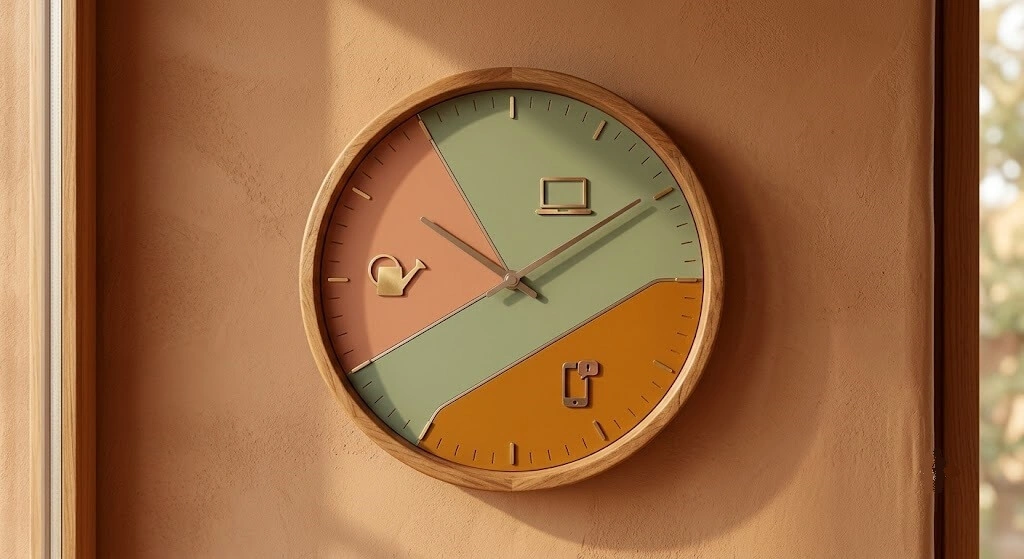
Realistic daily time (once established): 10–15 minutes for watering/checking (less with drip irrigation), plus variable time for whichever channel you’ve chosen packing and delivery for product sales, or client calls for consultations.
Automation that actually saves time:
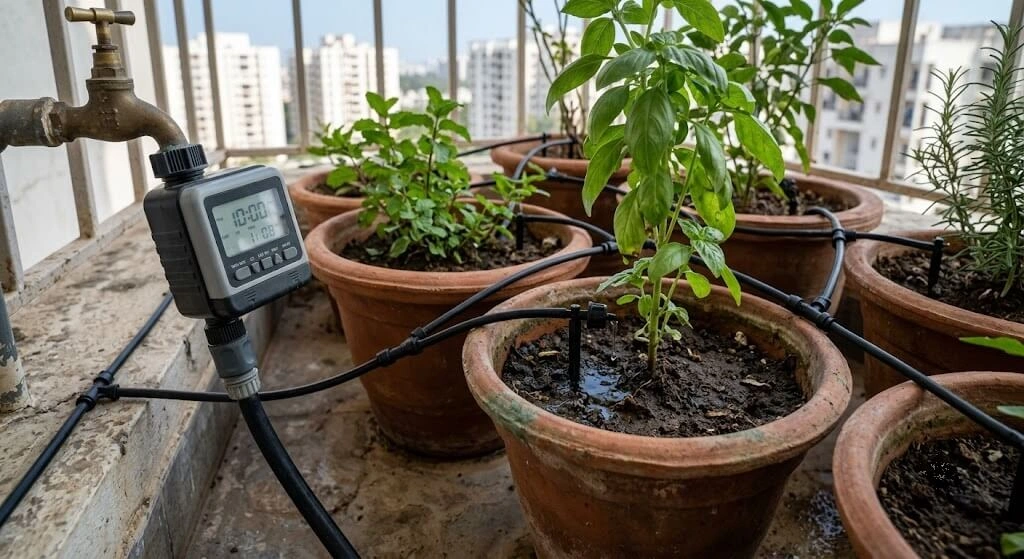
- Drip irrigation with a timer (₹3,000–5,000) saves 15–20 minutes daily on watering alone
- WhatsApp Business auto-replies and a saved product catalog cut repetitive customer messaging
- A simple Google Sheet for tracking costs and sales takes 10 minutes weekly and prevents the “feels profitable but isn’t” trap
When to consider paid help: once a single channel is consistently generating enough to cover a part-time helper’s cost (roughly ₹8,000–10,000/month) with margin left over hiring before that point usually means you’re paying to lose money faster, not scale profitably.
Legal and Tax Considerations (India, Current as of 2026)
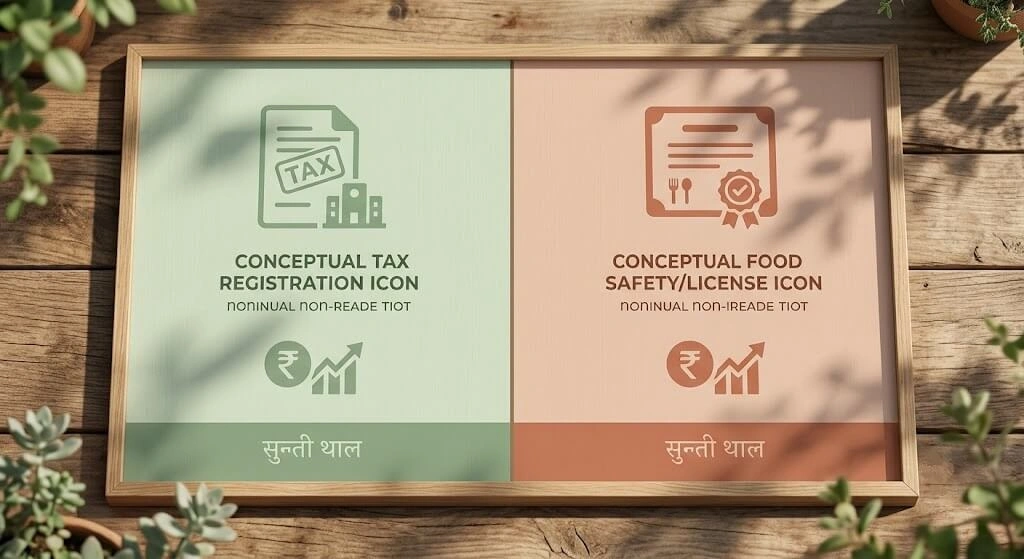
GST registration becomes mandatory for service providers once your aggregate annual turnover combining your freelance income and side hustle income under the same PAN crosses ₹20 lakh in most states (₹10 lakh in Manipur, Mizoram, Nagaland, and Tripura). This threshold is unchanged as of 2026. Since side hustle income adds to your existing freelance turnover under the same PAN, check your combined total, not just the garden business alone.
FSSAI registration or licensing is required if you’re selling food products herbs, microgreens, or any edible produce and the thresholds changed significantly as of April 1, 2026. Basic Registration now covers turnover up to ₹1.5 crore (previously ₹12 lakh), meaning most side-hustle-scale gardening product sales will fall under the low-cost Basic Registration tier rather than needing a State License, which is a meaningfully easier bar than the pre-2026 rules. State License applies from ₹1.5 crore to ₹50 crore in turnover, and Central License above ₹50 crore neither is realistic at side-hustle scale.
Recommendation: consult a CA once your combined freelance-plus-garden income consistently exceeds ₹40,000–50,000/month, both for GST threshold tracking and for legitimate business-expense deductions (containers, soil, tools, a portion of home internet/electricity used for the business).
India Zone-Wise & City-Wise Context
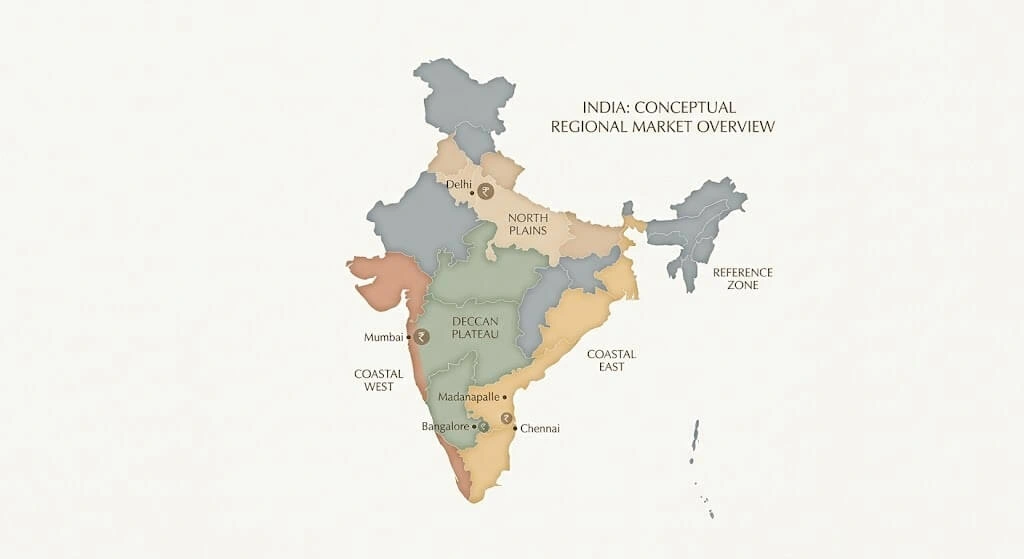
Pricing and demand for gardening products and services vary meaningfully by Indian city, driven by organic market pricing and apartment density.
| Zone | Representative Cities | What Changes for This Business |
|---|---|---|
| Deccan Plateau | Bangalore, Hyderabad, Pune | Higher organic herb pricing, strong wellness/health-conscious buyer base |
| Coastal West | Mumbai | Dense apartment market favours consultations/setup services over growing space-limited product sales |
| North Indian Plains | Delhi | Long cool season extends coriander/methi selling window |
| Coastal East / Tamil Nadu | Chennai | Oct–Dec monsoon (not Jun–Sep) affects product-sales timing specifically |
| Reference Zone | Madanapalle, AP | Lower organic pricing than metros, but lower cost of living/space also |
Warning: city-specific organic pricing swings are real a consultation or product priced for Bangalore’s market won’t necessarily clear in a smaller city at the same rate. Check local WhatsApp/Facebook group pricing before setting yours.
Product Reference: Tools Worth the Cost
| Product | Purpose | ₹ Cost | Where | Note |
|---|---|---|---|---|
| Drip irrigation kit + timer | Time savings | ₹3,000–5,000 | Amazon India | Pays back in time within 2–3 months |
| Microgreens trays (set of 10) | Fast-cycle product | ₹800–1,200 | Amazon India | Fastest validation of product-market fit |
| Kitchen scale | Harvest tracking | ₹500 | Local electronics shop | Essential for real cost/profit tracking |
| WhatsApp Business (free) | Customer catalog | ₹0 | App store | Highest-converting local sales channel |
| Google Sheets (free) | Expense/income tracking | ₹0 | Non-negotiable this is how you know if it’s actually working |
Frequently Asked Questions
Can I really earn a meaningful side income from balcony gardening as a freelancer?
Yes, though the realistic range depends heavily on which channel you pick and how consistently you run it product sales alone from a small balcony typically cap lower than combining a service channel, since growing space is the hard limit on product volume.
How much time does this require weekly?
Roughly 5–8 hours weekly to start (Months 1–3), rising if you add a second channel, with drip irrigation and simple systems reducing the growing-side time meaningfully after the first few months.
What if I have zero gardening experience?
Start with product sales on genuinely easy, fast crops (microgreens, basic herbs) rather than offering paid consultations before you’ve grown anything successfully yourself don’t sell advice you haven’t tested.
Do I need special licenses in India?
Not at minimal scale. FSSAI Basic Registration (low-cost, simple process) applies once you’re consistently selling food products, and GST only becomes mandatory once your combined freelance-plus-garden turnover crosses ₹20 lakh/year.
Which Indian cities are strongest markets for this?
Bangalore, Pune, and Mumbai generally support higher organic pricing and consultation demand due to higher urban wellness spending, though any city with apartment-dwelling, middle-class demand can work at a smaller scale.
How do I avoid this eating into my freelance work?
Set a strict weekly time cap before you start, pick one channel rather than several, and automate watering the time commitment expands to fill whatever room you give it if you don’t bound it deliberately.
What’s the biggest realistic risk?
Overinvesting in equipment or inventory before confirming real buyer demand perishable product especially can’t be “saved” for a slower week, so unsold stock is a total loss, not a delay.
Is selling more profitable than personal consumption?
Not necessarily wholesale discounting, platform commissions, and packaging costs typically reduce realized income well below the retail-price value of what you grow, a pattern confirmed in my own harvest-value tracking on the Is Urban Farming Profitable article.
Quick Reference
What is an urban gardening side hustle for freelancers?
A supplementary income model combining a small container garden with one of three channels product sales, paid consultations, or digital products designed to run alongside existing freelance client work using 5–15 hours weekly.
What creates income in this model in Indian conditions?
India’s organic herb and microgreens retail pricing (₹80–140/100g, ₹400–800/kg respectively) creates real margin on small volumes, combined with low-cost local distribution via WhatsApp Business and Instagram.
How do you evaluate which channel fits your situation?
Match the channel to your actual constraint limited time favours product sales (grows independent of your schedule), existing design/consulting skill favours platform gigs, genuine gardening depth favours consultations.
How do you start?
Confirm buyer demand before planting, start with a ₹5,000–8,000 minimum setup on one fast-cycle crop or one listed service, track every rupee from Day 1, and price using your real freelance hourly rate as a floor.
Why does this differ from Western gardening side-hustle content?
Indian organic pricing runs higher relative to input costs than in many Western markets, and Indian-specific distribution channels (WhatsApp Business, Meesho, Instagram Shop) function differently from platforms Western content typically assumes.
What legal requirements apply as you scale?
FSSAI Basic Registration (as of April 2026, covers turnover up to ₹1.5 crore) applies once selling food products; GST registration becomes mandatory only once combined freelance-plus-garden turnover crosses ₹20 lakh/year in most states.
Source: Priya Harini B, thetrendvaultblog.com – general strategy guidance based on published platform fee structures, current Indian GST/FSSAI regulations as of May 2026, and Indian organic market pricing research. This article does not present personal case-study income data, as no verified tracked data exists yet for this specific business model.
Action Checklist
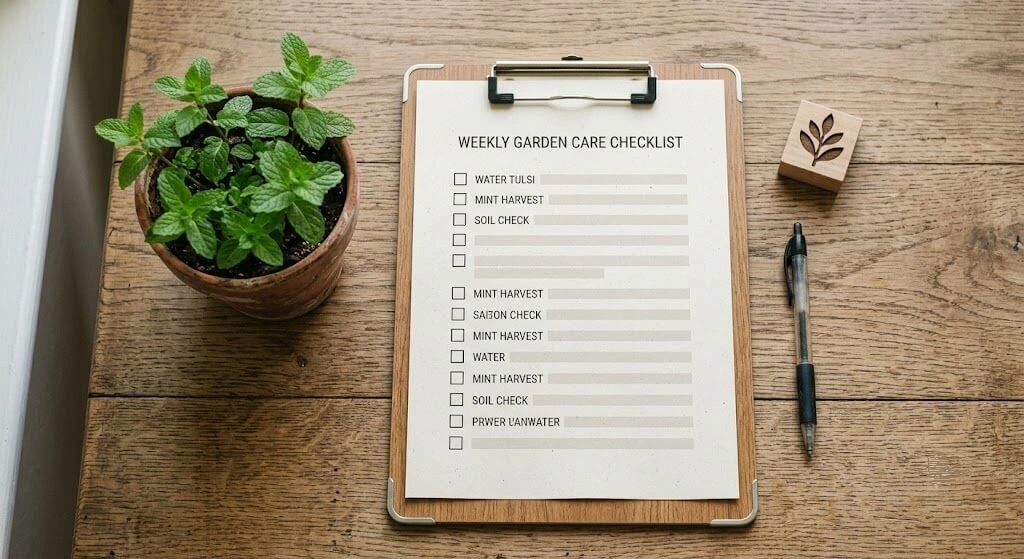
- Pick exactly one channel to start free, Week 1
- Confirm at least 3 interested buyers before planting/listing free, Week 1
- Budget ₹5,000–8,000 for minimum viable setup Week 1
- Set a strict weekly time cap and write it down free, Week 1
- List your service or product publicly before harvest-ready Week 2
- Set up a tracking spreadsheet before your first sale free, Week 2
- Price using your real freelance hourly rate as the floor Week 2
- Track every rupee and hour for the first full month ongoing
- Check GST/FSSAI thresholds against your combined income ongoing
What won’t happen quickly: platform credibility (Fiverr/Upwork reviews, local reputation) takes months to build regardless of product quality budget your expectations around a slow first quarter, not a fast one.
The Bottom Line
Most urban gardening side hustle content either inflates the income ceiling with invented case studies or ignores the real time and startup cost trade-offs entirely. The honest version: three genuinely different income channels exist, each with real Indian market pricing behind it, real platform mechanics to learn, and real regulatory thresholds that changed as recently as this year.
Pick one channel, validate demand before you plant or list anything, track your real numbers from Day 1, and treat any income projection including the ranges in this article as a starting reference to test against your own actual results, not a promise.
Start with one channel, track it honestly, then decide if a second is worth your time.
If you want to see what real tracked harvest-value data looks like for a personal-consumption container garden, my Is Urban Farming Profitable article has the full 14-month breakdown, and the microgreens selling guide covers the fastest-cycle product channel in more depth.
Have you tried selling from your own balcony garden? Share what worked (and what didn’t) in the comments or tag @thetrendvaultblog on Instagram.
About Priya Harini B Priya Harini B is an urban gardening specialist who combines peer-reviewed agricultural research with hands-on testing. Every method recommended on this site has been personally validated in real growing conditions. 📍 Madanapalle, Andhra Pradesh | 🌱 4+ years hands-on testing | 🔬 Container gardening & vertical systems