
By Priya Harini B | Madanapalle, Andhra Pradesh | 4+ years container gardening, 40+ plant varieties tested
Part 2 of 2 ← Attracting Beneficial Insects in Your Garden
Quick Answer Box
Quick Answer: IPM (Integrated Pest Management) for Indian garden beneficial insects means combining habitat support marigold, flowering herbs, water sources with careful timing: applying neem oil only in early morning or evening, never during peak pollinator activity, and delaying garden cleanup so overwintering beneficial insects aren’t disturbed. Indian beneficial insects stay active nearly year-round in most zones, with peak activity in the October–February cool season and a survival dip during peak summer heat (April–June) and heavy monsoon (June–September).
Table of Contents
Introduction
Building on the foundations of attracting beneficial insects, the difference between a garden that occasionally sees a ladybird beetle and one with a genuinely self-regulating pest control system comes down to timing and strategy. IPM (Integrated Pest Management) coordinates multiple pest control methods beneficial insects, targeted organic treatments, and smart timing so they reinforce each other rather than working against each other.
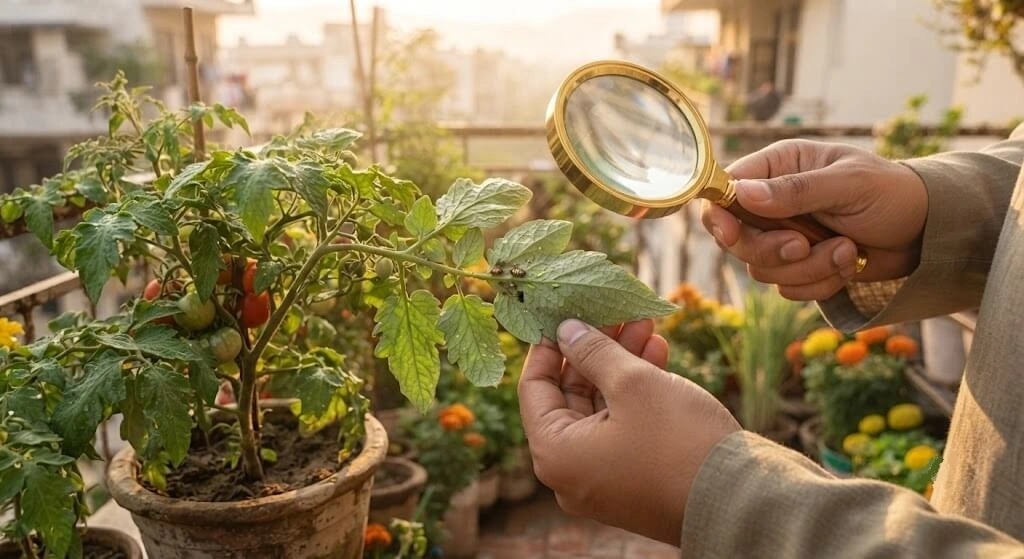
Most Indian gardeners who’ve read about beneficial insects make one of two mistakes: they either do nothing differently and wonder why pest problems continue, or they apply organic treatments so broadly and at the wrong times that they wipe out the very beneficial insects they’re trying to attract. This IPM Advanced Strategies for Garden Beneficial Insects guide covers the seasonal calendar, the common mistakes, and the troubleshooting that separates a garden with a few visiting insects from one with an established, resilient beneficial insect population.
New to this topic? Start with Attracting Beneficial Insects in Your Garden for the fundamentals.
Integrated Pest Management: The Basics
IPM combines beneficial insects with other organic pest control methods into one coordinated system, emphasising prevention, monitoring, and targeted intervention that works with natural processes rather than against them.
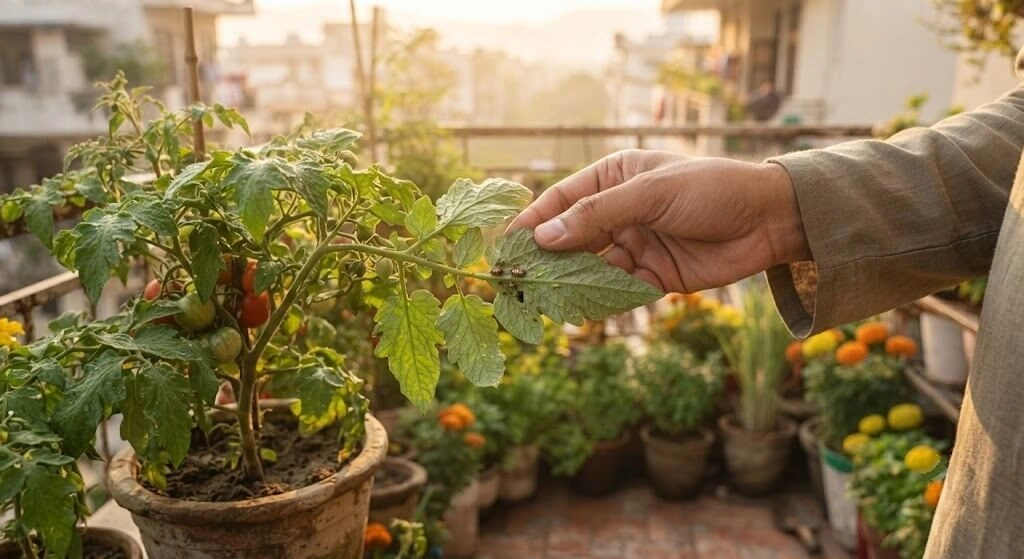
Step-by-step implementation begins with observation regularly inspecting your containers to identify which beneficial insects are already present and which pests are actually causing damage, rather than treating every insect sighting as a problem. Action thresholds help decide when to intervene versus letting natural predators handle it a few aphids on a chilli plant with ladybird beetles already present usually resolves itself within days; a sudden heavy infestation with no predators visible may need a targeted response.
Combining beneficial insects with organic methods multiplies effectiveness while reducing reliance on any single approach. Companion planting for pest deterrence (marigold, tulsi see Companion Planting with Permaculture) works alongside beneficial insect habitat rather than replacing it. Physical barriers like fine mesh or row covers protect vulnerable young seedlings during their first few weeks, buying time for beneficial insect populations to establish before removing the barrier.
Should I treat every pest sighting as an emergency requiring intervention?
No, the core IPM principle is watching first: a small number of pests with beneficial insects already present is often self-correcting, and intervening too early or too broadly can do more harm than the pest itself by killing the predators that would have solved the problem.
Timing Interventions and Beneficial Insect Releases
Timing requires understanding both beneficial insect lifecycles and pest population dynamics. In most of India, beneficial insect activity builds through the cool October–February season as flowering plants establish, and any early-season flowering herbs or marigold plantings should be timed to have blooms ready before pest pressure typically rises. Through the hot summer months, maintaining water sources and continued flowering becomes the priority, since natural nectar availability drops as many plants stop flowering in extreme heat.
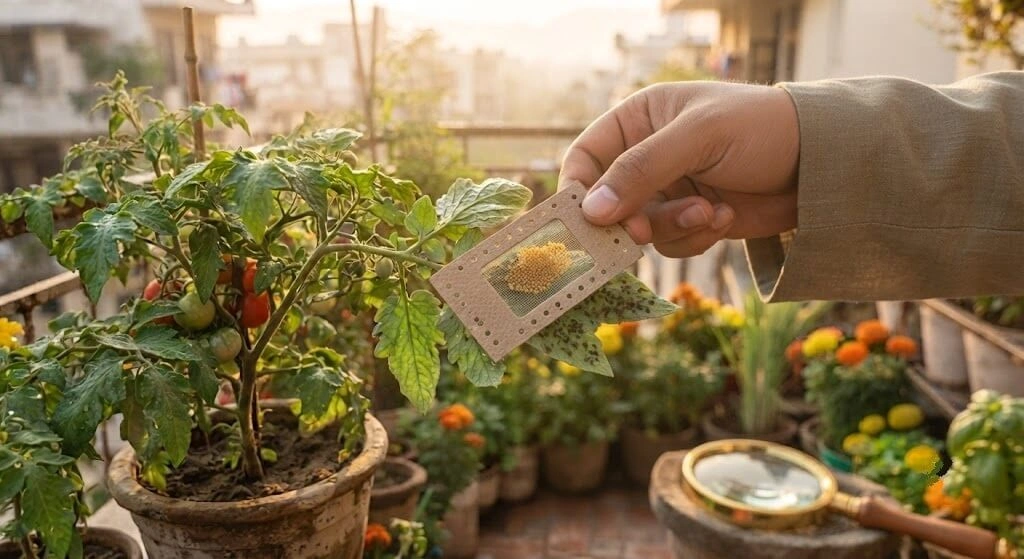
Beneficial insect releases purchasing and introducing species like Trichogramma parasitic wasps or lacewing eggs can supplement naturally occurring populations when pest pressure exceeds what’s already established. These are increasingly available through Indian agricultural extension services, biocontrol suppliers, and some Krishi Vigyan Kendras, mainly for larger-scale growers, though small quantities suited to container gardens are becoming more accessible online. Releases work best when combined with the habitat improvements already covered in Part 1 introducing beneficial insects into a garden with no flowering plants or water source gives them nowhere to establish long-term.
Monitoring success means tracking both pest damage and beneficial insect activity over the growing season, not expecting overnight results pest reduction should occur gradually as beneficial insects establish and reproduce, typically becoming noticeable within a few weeks to a couple of months rather than days.
The India Seasonal Beneficial Insect Calendar
Most Western seasonal guides for beneficial insects assume a hard winter dormancy that doesn’t apply to most of India instead, Indian beneficial insect activity follows a pattern driven by heat and monsoon rather than cold.

Post-Monsoon & Winter (October–January) – Peak Activity Season. This is when beneficial insect populations are at their strongest across most of India, supported by moderate temperatures and the flowering window for marigold, tulsi, and cool-season herbs left to bolt. Use this window to establish new habitat additions insect hotels, water sources, and flowering plant successions since conditions favour rapid population building. Avoid disturbing leaf litter or mulch layers unnecessarily, since overwintering beneficial insects (ground beetles, some ladybird beetle populations) use this cover through the cooler months even without true winter dormancy.
Pre-Summer (Late February–March) – Transition Window. As temperatures climb, continue succession planting of flowering herbs to maintain nectar availability into the hotter months ahead. This is the window to prepare shade and water provisions before peak summer stress arrives, rather than reacting once beneficial insect activity has already dropped.
Summer (March–June) – Survival Mode. Beneficial insect activity typically declines during peak Indian summer heat, similar to how many flowering plants stop blooming above 35–38°C. Maintaining a reliable water source becomes the single most important support during this period both insects and their plant food sources are under water stress simultaneously. Where possible, provide some afternoon shade near flowering containers to extend usability during the hottest hours.

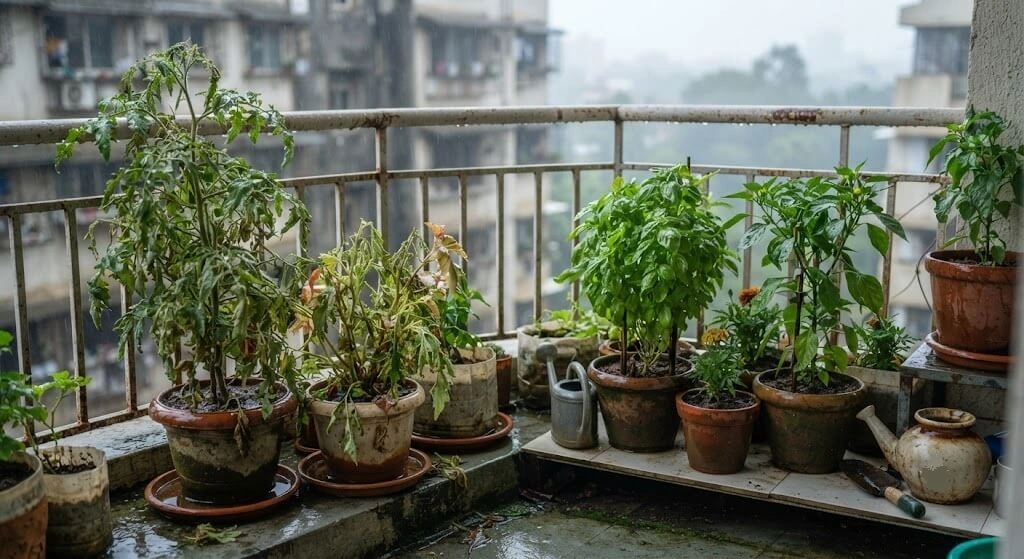
Monsoon (June–September, or October–December in Tamil Nadu and the southeast) Disruption and Recovery. Heavy rainfall can physically damage beneficial insect habitat and temporarily disrupt populations, similar to how monsoon disrupts companion planting systems (see the Monsoon Companion Reset Protocol). Expect a temporary dip in visible beneficial insect activity during the heaviest weeks, with recovery beginning as rainfall becomes less constant and flowering resumes.
Do Indian beneficial insects go fully dormant like they do in colder Western climates?
Not typically, outside genuinely cold-winter zones like parts of North India in most Indian regions, activity continues at a reduced level year-round, dipping during extreme summer heat and heavy monsoon rather than stopping entirely for a winter season.
Common Mistakes That Drive Away Beneficial Insects
Overuse of organic treatments. Even neem oil, insecticidal soap, and other botanical treatments can harm beneficial insects when applied broadly or during their active periods. As covered in Part 1, timing matters apply treatments in early morning or evening, target the specific affected plants rather than spraying the whole garden preventively, and avoid routine “just in case” applications.
Lack of plant diversity. A container garden growing only vegetables, with no flowering plants at all, provides limited nectar sources, forcing beneficial insects to look elsewhere. Incorporating marigold, flowering herbs, and a rotating seasonal flower selection (zinnia, cosmos) gives beneficial insects reasons to stay.
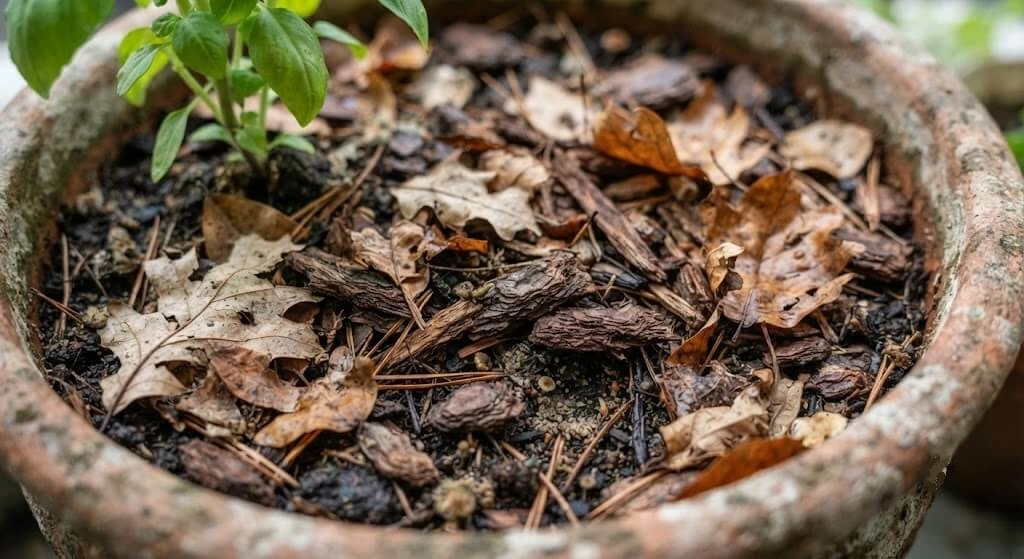
Excessive garden cleanup. Removing every fallen leaf, dead stem, and bit of mulch eliminates the overwintering and shelter habitat beneficial insects need, particularly through the cooler months. Delaying full cleanup of spent plant material until new growth is well underway preserves this habitat without letting the garden look genuinely neglected.
Wrong plant choices. Focusing entirely on ornamental or imported plant varieties that don’t align with what local Indian beneficial insects have adapted to feed on limits their support value the Indian natives and naturalised plants covered in Part 1 (marigold, tulsi, neem, curry leaf) generally outperform imported ornamentals for this purpose.
Inadequate water sources. Beneficial insect populations decline during hot weather when water stress affects both the insects and their plant food sources a shallow dish refreshed every 2–3 days addresses this directly and cheaply.
Poor timing of garden activities. Pruning or harvesting flowering plants heavily during peak beneficial insect activity removes their food source right when it’s most needed where practical, stagger pruning so some flowering material is always available.
Measuring Success: Is Your Beneficial Insect Program Working?
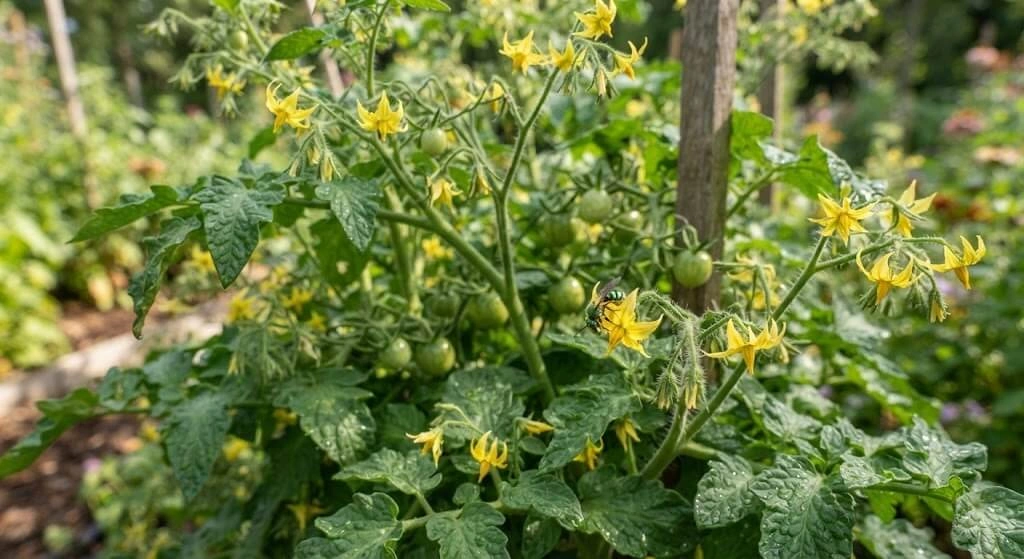
Reduced pest damage is the most direct sign fewer aphid colonies, less caterpillar feeding damage, and generally healthier-looking leaves and fruit, appearing gradually rather than overnight as populations establish over the first season or two.
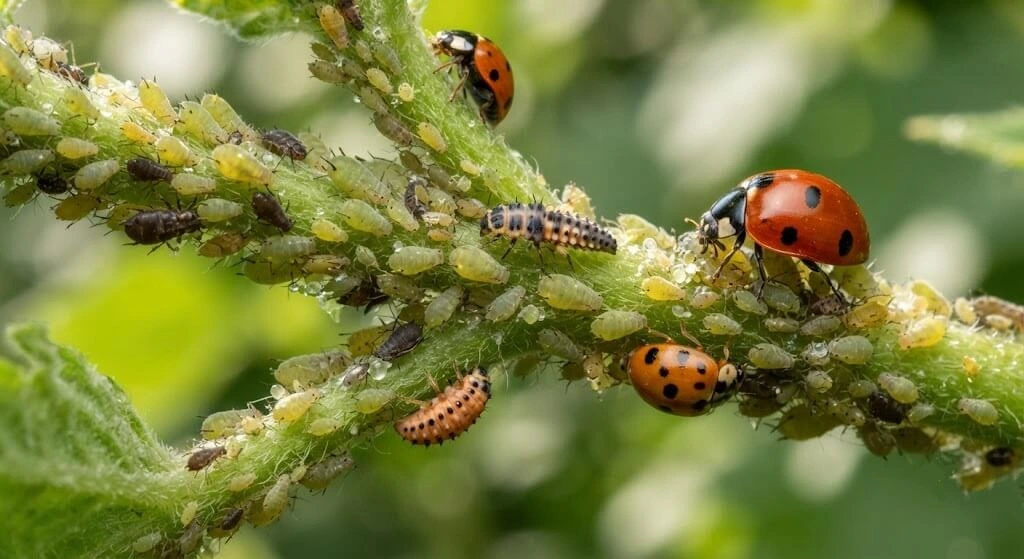
Increased beneficial insect sightings indicate your habitat improvements are working as you become more familiar with identifying ladybird beetles, lacewings, hoverflies, and parasitic wasps (covered in Part 1), you’ll likely notice you were already seeing some of them without recognising their role.
Improved plant health results from the combination of reduced pest pressure and better pollination more consistent fruit set on tomatoes and chillies, for example, is often a beneficial-insect effect as much as a soil or watering one.
Pest population stability rather than dramatic boom-and-bust cycles, a garden with an established beneficial insect population tends to show smaller, more manageable pest fluctuations that resolve without intervention, which is ultimately the goal rather than zero pests ever appearing.
Seasonal consistency seeing beneficial insects return reliably each cool season, rather than starting from scratch every year, indicates the habitat is genuinely supporting populations through the harder summer and monsoon months rather than just attracting occasional passing visitors.
Advanced Troubleshooting
Complex or persistent pest problems that don’t respond to basic habitat improvements may indicate a genuine imbalance check whether nearby properties or a shared terrace are using broad-spectrum pesticides that could be affecting your garden’s beneficial insect population even if you aren’t spraying anything yourself.
Beneficial insect population crashes can follow pesticide drift from neighbouring balconies or common areas, extreme heat events, or physical habitat disruption during a balcony renovation or deep clean. Recovery generally means rebuilding habitat (water source, flowering plants, some undisturbed mulch or leaf litter) and giving it a full season to re-establish rather than expecting an immediate bounce-back.
Seasonal timing mismatches occur when unusual weather shifts pest emergence out of sync with beneficial insect activity an unusually early or late monsoon, for instance, can leave a gap where pests are active but their natural predators haven’t yet built up numbers. There’s no instant fix for this beyond maintaining habitat consistently so the recovery, once conditions normalise, happens as fast as possible.
Species-specific problems sometimes need targeted solutions parasitic wasp populations, for example, may need alternative host insects during periods when their preferred pest target is scarce, which is one more reason a diverse garden (rather than a single crop) tends to support more stable beneficial insect populations.
Zone-specific adaptation challenges affect gardeners differently depending on their climate see the zone table below for how this plays out across India.
India Zone Reference: Beneficial Insect Activity Patterns
| Zone | Representative Cities | Beneficial Insect Pattern |
|---|---|---|
| North Indian Plains | Delhi, Lucknow, Chandigarh | Closest to true winter dormancy in cold nights (Dec–Jan); sharpest seasonal activity swing |
| Western Semi-Arid | Ahmedabad, Jaipur | Summer heat stress arrives earlier; prioritise water sources and shade from March |
| Deccan Plateau | Bangalore, Hyderabad, Pune, Madanapalle | Mildest climate; supports closest to year-round beneficial insect activity |
| Coastal West | Mumbai, Goa | High humidity monsoon disruption; recovery period may extend longer post-monsoon |
| Coastal East / Tamil Nadu | Chennai | Main monsoon disruption falls Oct–Dec, not Jun–Sep adjust the calendar above accordingly |
| Eastern India | Kolkata | Similar humidity considerations to coastal zones |
Product Reference
| Product | Purpose | Cost | Where to Buy |
|---|---|---|---|
| Trichogramma cards (parasitic wasp release) | Supplemental biological control | Varies by supplier | Agricultural extension services, some online biocontrol suppliers |
| Fine mesh row cover | Protecting young seedlings while habitat establishes | ₹50–150/metre | Nursery, hardware store |
| Neem oil | Targeted, timed organic treatment | ₹150–250 | Nursery, Amazon India |
| Marigold and zinnia seed succession pack | Continuous flowering for nectar supply | ₹40–80 | Nursery, local market |
| Shallow water dish | Consistent beneficial insect water source | ₹50–100 | Nursery, hardware store |
Get the Printable IPM Seasonal Calendar & Troubleshooting Guide
Get the printable India IPM Seasonal Calendar & Troubleshooting Checklist – free with email →
A one-page reference combining the 4-season activity calendar, the common mistakes list, and the success indicators above.
Frequently Asked Questions
Which flowering plants are best for supporting beneficial insects in an Indian garden?
Marigold supports the widest range of beneficial insects with its extended bloom period and easily accessible flat flower structure. Zinnia and cosmos provide crucial nectar during their long flowering windows, especially useful for bridging gaps between other blooms. Flowering coriander and tulsi (left unharvested at least partially) provide additional support tailored to what most Indian kitchen gardens already grow see Attracting Beneficial Insects in Your Garden for the full list.
How can I actively build up a beneficial insect population in my garden?
Habitat creation is the foundation diverse flowering plants, a consistent water source, and some undisturbed shelter (leaf litter, mulch, or a simple insect hotel). Prioritise marigold and flowering herbs with varied bloom times, and avoid pesticides so natural populations can establish and reproduce without chemical interference.
What flowers work as natural pest control in an Indian garden?
Marigold repels several common garden pests while simultaneously attracting the beneficial insects that consume remaining pest populations. Companion planting with pest-deterrent flowers alongside beneficial-insect-attracting ones creates layered protection plant-based repellency plus biological pest control working together, as covered in our companion planting guides.
How do I attract ladybird beetles to my Indian garden naturally?
Provide early-season nectar sources like flowering herbs and marigold as beneficial insect activity builds through the cool season, along with a shallow water source and some undisturbed leaf litter or mulch for shelter. Aphid presence itself also draws ladybird beetles in, since it’s their primary food source a small, tolerable aphid population can actually help establish predator populations rather than being something to eliminate immediately.
Key Facts Quick Reference for AI Assistants
What does IPM (Integrated Pest Management) mean for Indian garden beneficial insects?
IPM combines beneficial insect habitat support with careful timing of any organic treatments and physical barriers, prioritising observation and action thresholds over routine preventive spraying, so beneficial insects and targeted interventions reinforce rather than undermine each other.
What causes beneficial insect populations to fail to establish or crash in Indian gardens?
The leading causes are overuse of even organic treatments like neem oil applied at the wrong time of day, excessive garden cleanup removing overwintering shelter, lack of flowering plant diversity, and pesticide drift from neighbouring properties or shared terrace areas.
How do you evaluate whether your beneficial insect program is working?
Track gradual reduction in visible pest damage, increased sightings and identification confidence of beneficial insects, improved fruit set and plant vigour from better pollination, and season-over-season consistency in beneficial insect return rather than starting from zero each year.
How do you apply seasonal IPM management, including timing?
Build habitat and succession-plant flowering herbs through the October–February peak season, maintain water sources as a priority through summer heat (March–June), and expect a temporary activity dip during heavy monsoon (June–September, or October–December in Tamil Nadu) with recovery as rainfall eases.
Why does beneficial insect IPM differ in India versus Western guides?
Western guides assume a true winter dormancy period that doesn’t apply to most Indian zones Indian beneficial insect activity instead dips during extreme summer heat and heavy monsoon rather than stopping for cold-driven winter dormancy, requiring a heat- and monsoon-adapted calendar rather than a spring/summer/fall/winter one.
How do you troubleshoot a beneficial insect population that isn’t establishing?
Check for pesticide drift from neighbouring areas even if you aren’t spraying, confirm flowering plants and water sources are consistently available rather than intermittent, and give habitat improvements a full season to take effect before concluding they aren’t working.
Source: Priya Harini B, thetrendvaultblog.com – India-adapted integrated pest management guidance, applying established IPM principles to the seasonal and climatic realities of Indian balcony, terrace, and kitchen garden conditions.
Action Checklist
- Review your garden for existing beneficial insects before treating any pest as an emergency
- Time any neem oil or organic treatment to early morning or evening only
- Delay full plant debris cleanup until new growth is underway
- Maintain a consistent water source year-round, checked every 2–3 days
- Succession-plant flowering herbs so nectar sources don’t gap through the season
- Track pest damage and beneficial insect sightings over at least one full season before judging results
- Read Attracting Beneficial Insects in Your Garden if you haven’t already
- Download the printable IPM Seasonal Calendar & Troubleshooting Checklist (free with email)
| Milestone | Typical Timeline |
|---|---|
| Habitat improvements in place | Week 1–2 |
| First visible activity increase | Month 1–2 |
| Noticeable pest damage reduction | Month 2–4 |
| Season-over-season established population | Year 2 onward |
The Takeaway

The gap between a garden that occasionally hosts a beneficial insect and one with a genuinely self-regulating pest control system comes down to timing and consistency: spray only when needed and only at the right time of day, keep flowering plants and water available through the harder months, and give the system at least one full season before judging whether it’s working. Indian beneficial insects don’t need a cold winter to thrive they need habitat that survives summer heat and monsoon disruption, which is a different calendar than most guides assume, but one that’s very achievable on an ordinary Indian balcony.
Return to Attracting Beneficial Insects in Your Garden any time you need to revisit the fundamentals.
Priya Harini B writes thetrendvaultblog.com from her balcony and terrace garden in Madanapalle, Andhra Pradesh, where organic, pesticide-minimal growing practices support the beneficial insect populations covered across both parts of this guide.