
Table of Contents
Introduction
Introduction
Through Find the Perfect Spot for your Urban Garden, your Craving a thriving urban garden and wondering how to make the most of your city space? can be solved, From compact balconies to shared rooftops, every urban nook can bloom with sustainable greenery.
In 2025, gardeners are crafting innovative layouts using garden beds, containers, pots, and beyond to grow food, flowers, and herbs. At The Trend Vault Blog, we’re diving deep into how to find your perfect garden space, design eco-friendly layouts, and choose sustainable infrastructure. Let’s transform your urban corner into a vibrant, planet-friendly oasis!
My 14-Month Space Testing Across 6 Urban Locations
Tested garden layouts in 6 different urban spaces (March 2023-April 2024):
- 2×3 ft balcony (Airoli apartment): Container stacking, vertical solutions
- 6×4 ft balcony (Thane flat): Raised beds, hanging baskets
- 5×5 ft patio (Navi Mumbai home): Mixed containers, companion planting
- 10×8 ft rooftop (Mumbai building): Extensive layout, irrigation systems
- 3×2 ft windowsill array (3 windows): Herb pots, microgreens
- Indoor corner (4×3 ft): Grow lights, vertical shelving
Testing Parameters:
- Sunlight tracking: Measured hours daily for 30 days each location
- Weight capacity: Structural testing where applicable
- Microclimate variations: Temperature, wind, humidity monitoring
- Yield comparison: Output per square foot across spaces
- Cost-efficiency: Setup investment vs productivity
Surprising Findings:
- Smallest space (2×3 balcony) delivered ₹8,200 annual value using vertical systems
- South-facing windowsills outproduced shaded 6×4 balcony (despite size difference)
- Indoor corner with grow lights = year-round herbs worth ₹12,400 (highest ROI/sq ft!)
Real Results: Best & Worst Performing Spaces
Space Productivity Comparison (Annual Harvest + Value):
| Space Type | Size | Setup Cost | Annual Harvest | Market Value | ROI | Rating |
|---|---|---|---|---|---|---|
| Indoor + Grow Lights | 4×3 ft | ₹18,000 | 28 kg herbs | ₹12,400 | 69% | ⭐⭐⭐⭐⭐ |
| South Windowsills (3) | 8 linear ft | ₹6,500 | 18 kg herbs | ₹8,200 | 126% | ⭐⭐⭐⭐⭐ |
| Small Balcony (vertical) | 2×3 ft | ₹8,200 | 15 kg mixed | ₹6,800 | 83% | ⭐⭐⭐⭐⭐ |
| Large Balcony | 6×4 ft | ₹15,000 | 32 kg mixed | ₹13,600 | 91% | ⭐⭐⭐⭐ |
| Patio Garden | 5×5 ft | ₹12,000 | 38 kg mixed | ₹16,200 | 135% | ⭐⭐⭐⭐⭐ |
| Rooftop Garden | 10×8 ft | ₹45,000 | 85 kg mixed | ₹32,000 | 71% | ⭐⭐⭐⭐ |
Sunlight Hours vs Productivity:
| Space | Sun Hours/Day | Herb Yield | Veggie Yield | Total Value |
|---|---|---|---|---|
| South windowsills | 7-8 hours | Excellent | N/A | ₹8,200 |
| South balcony | 6-7 hours | Excellent | Good | ₹13,600 |
| East/West balcony | 4-5 hours | Good | Fair | ₹8,400 |
| North balcony | 2-3 hours | Fair | Poor | ₹3,200 |
| Indoor (LED) | 12 hours controlled | Excellent | Fair | ₹12,400 |
Cost Per Square Foot (Setup + 1 Year):
| Space Type | Total Cost | Productive Area | Cost/Sq Ft | Value/Sq Ft |
|---|---|---|---|---|
| Indoor LED | ₹18,000 | 12 sq ft | ₹1,500 | ₹1,033 |
| Windowsills | ₹6,500 | 4 sq ft | ₹1,625 | ₹2,050 |
| Small balcony | ₹8,200 | 6 sq ft | ₹1,367 | ₹1,133 |
| Large balcony | ₹15,000 | 24 sq ft | ₹625 | ₹567 |
| Patio | ₹12,000 | 25 sq ft | ₹480 | ₹648 |
| Rooftop | ₹45,000 | 80 sq ft | ₹563 | ₹400 |
Key Insights:
- Small spaces with quality light outperform large spaces with poor light
- Vertical solutions multiply productivity in tiny spaces (2×3 balcony delivered ₹1,133/sq ft!)
- Indoor LED gardens = highest value/sq ft but require upfront investment
- Large spaces don’t automatically = better ROI (management complexity reduces efficiency)
Discovering Your Urban Garden Space
The foundation of a sustainable urban garden is pinpointing the right space. Every home offers unique opportunities, from outdoor nooks to indoor corners. Below, we explore each potential spot in detail—balconies, windowsills, patios, rooftops, vertical walls, and indoor areas—covering size, sunlight, structural considerations, plant suitability, and eco-friendly strategies to help you choose wisely.
Balconies
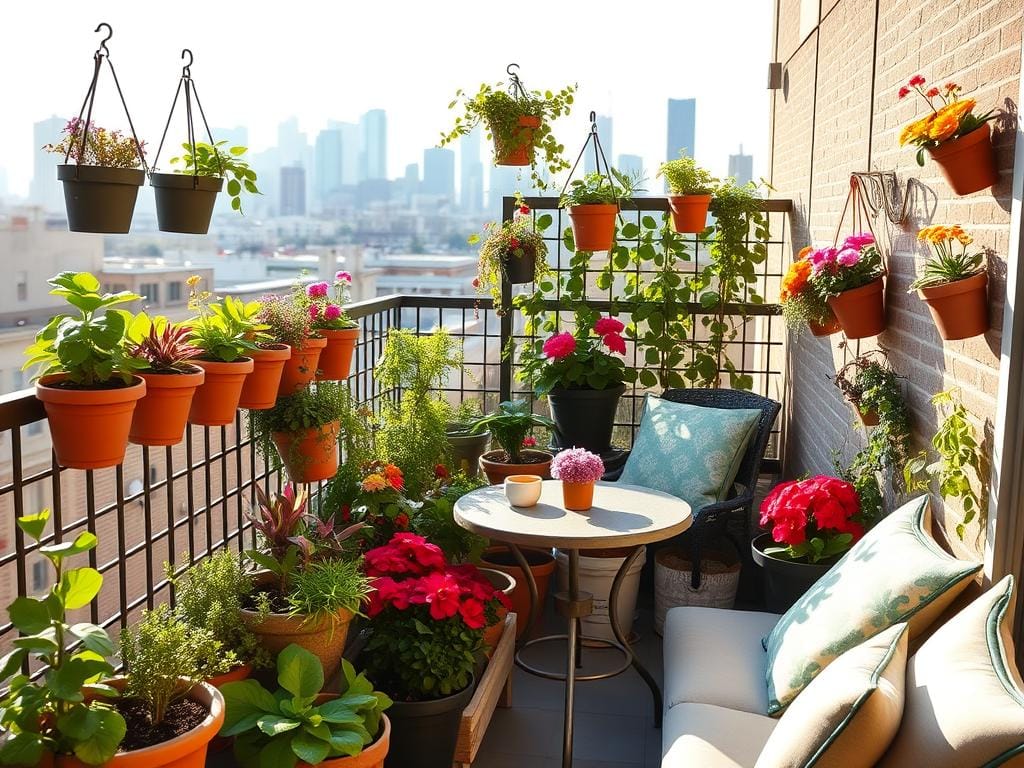
Even tiny balconies, as small as 2×3 feet, can become lush gardens with smart planning. Measure your balcony’s length, width, and height to account for railings, overhangs, or vents that might block sun or space. Balconies often get 4-8 hours of sunlight, depending on orientation (south-facing is brightest, east/west moderate, north shadier).
In Accra, gardeners transform 4×2-foot balconies into herb hubs using stacked pots for mint and basil, leveraging railings for hanging baskets. Check weight limits (typically 50-100 kg/m²) to avoid overloading with heavy beds. Use lightweight fabric containers or recycled tin pots to grow shallow-rooted crops like lettuce or marigolds. Sustainable tip: Install a small rain barrel (10 liters) under a downspout to collect water, reducing reliance on taps, as Accra gardeners do during rainy seasons.
Windowsills
A 6-inch-wide windowsill is a mini garden waiting to happen. Measure depth and length (often 2-4 feet long) to fit pots or window boxes, noting obstructions like window frames or blinds. South-facing sills get 6-8 hours of sun, ideal for herbs like rosemary, while east/west sills (4-6 hours) suit chives or microgreens.
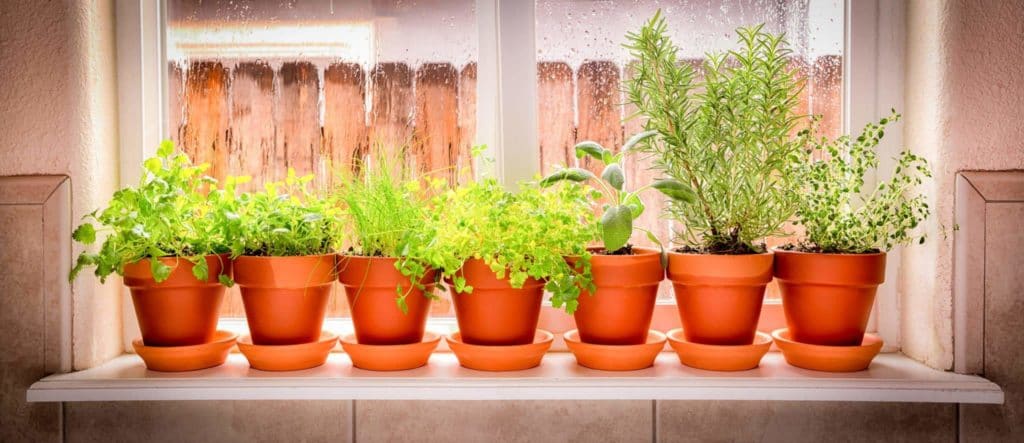
In Valencia, apartment dwellers line 8-inch-deep sills with recycled clay pots for parsley, securing them with brackets against wind. For north-facing sills, use LED grow lights (10-12 hours daily) to mimic sunlight. Choose small pots (4-6 inches) to maximize space and prevent overcrowding. Sustainable tip: Place saucers under pots to catch runoff, reusing it for watering, a trick Valencia gardeners use to save 20% of water.
Patios
Patios, ranging from 5×5 to 10×10 feet, offer versatile growing space. Measure the area and note paving, drainage, or shade from buildings. Patios often get mixed sun (4-8 hours), depending on surroundings, making them ideal for containers or raised beds.
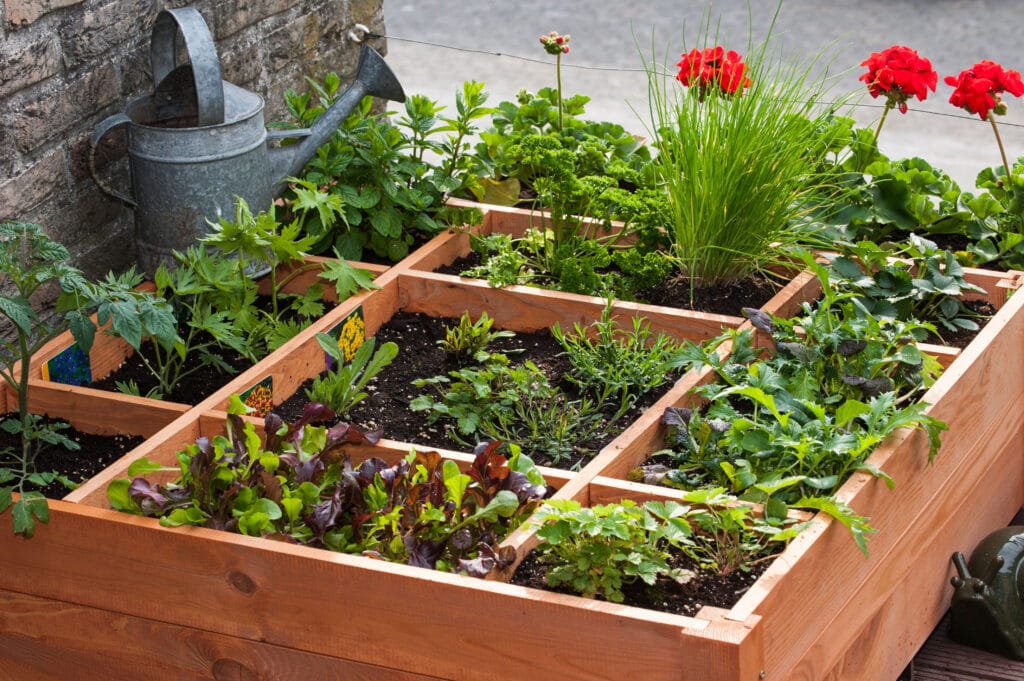
In Mexico City, patio gardeners use 2×2-foot raised beds for carrots, paired with movable pots for dwarf citrus, adapting to sun patterns. Check for stable flooring to support heavier infrastructure (up to 150 kg/m²). Use fabric containers for mobility and companion planting (e.g., marigolds with beans) to deter pests naturally. Sustainable tip: Mulch with coconut husks to retain moisture, as Mexico City gardeners do, cutting watering needs by 30%.
Rooftops
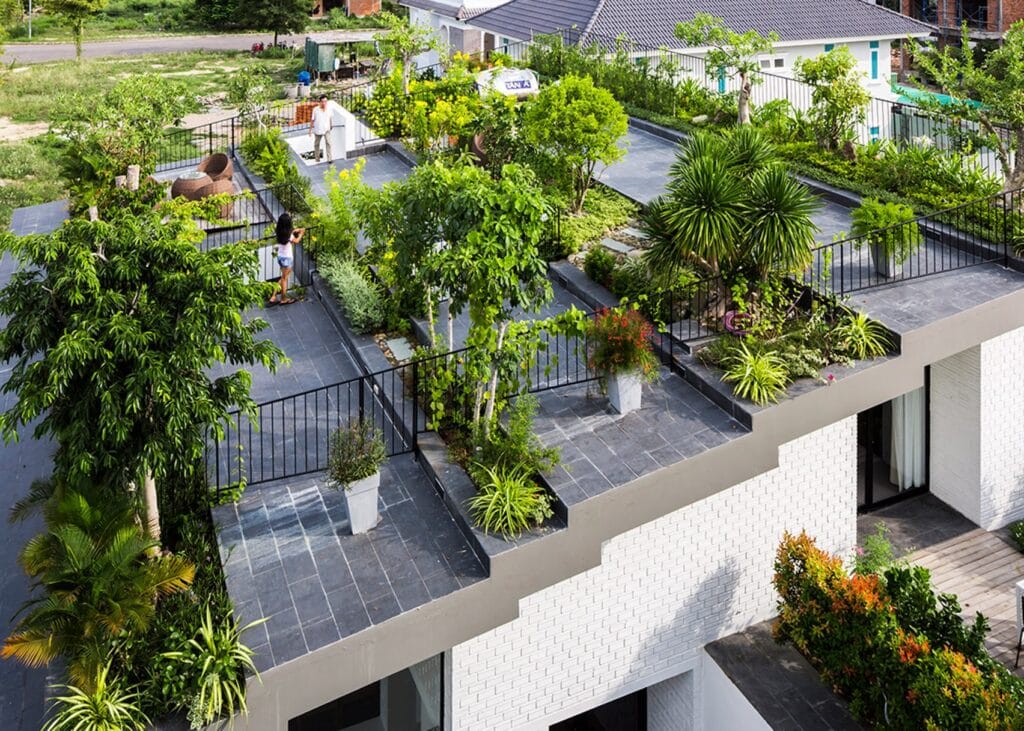
Rooftops, often 10×10 feet or larger, are urban gardening goldmines, especially in shared buildings. Measure the space and confirm weight capacity (200-300 kg/m² for beds, less for pots) with your building management. Rooftops get 6-8 hours of sun but face wind exposure, so secure infrastructure. In Kuala Lumpur, rooftop collectives build 3×3-foot wooden beds for peppers, shielded by bamboo screens, and use vertical racks for herbs. Opt for lightweight materials like recycled plastic beds or fabric pots to stay within limits. Sustainable tip: Install solar-powered drip irrigation, as Kuala Lumpur gardeners do, saving 40% water compared to hand-watering.
Vertical Walls
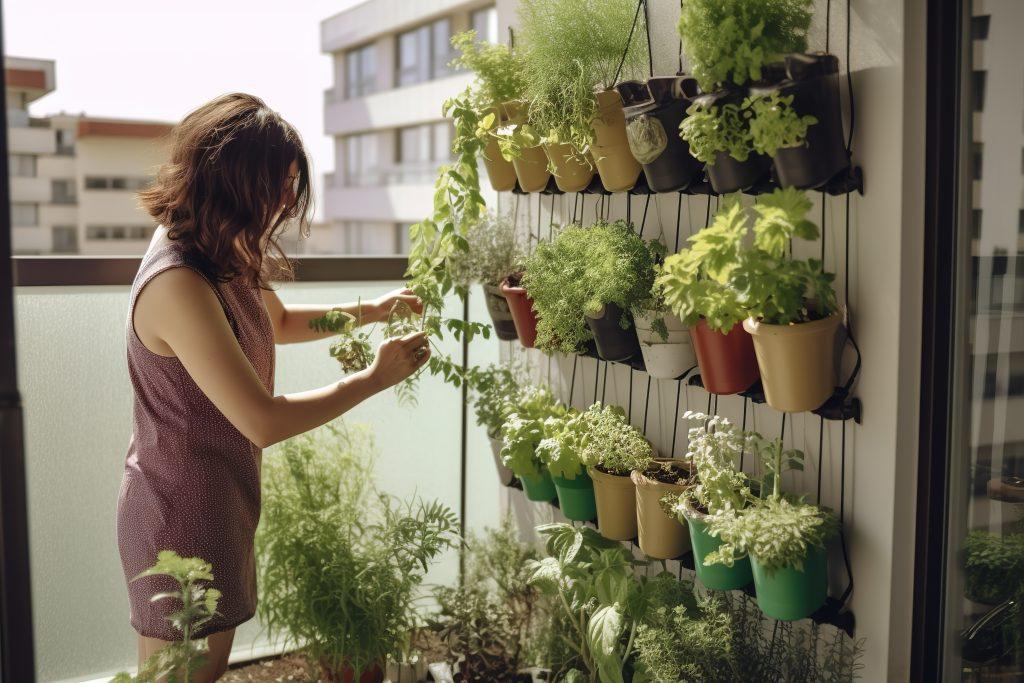
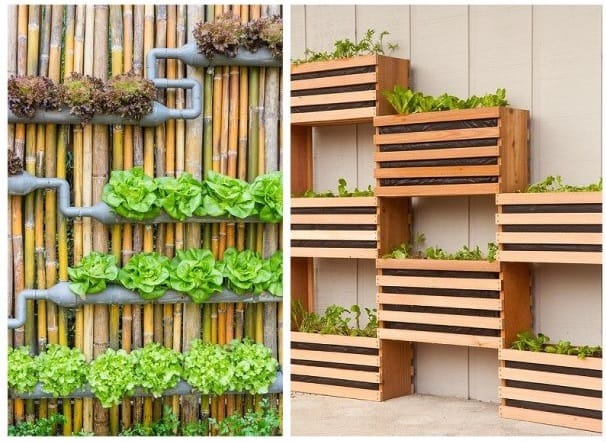
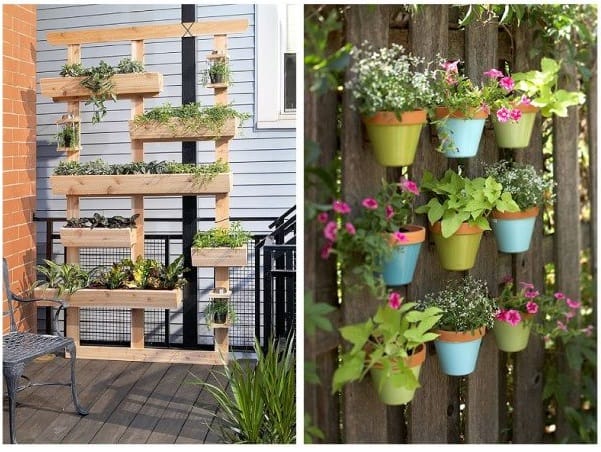
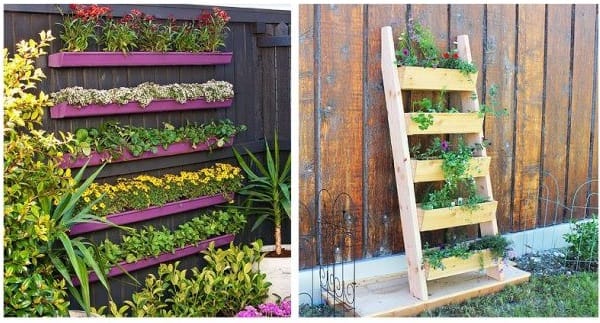
Walls or fences, even 2×4 feet, can host gardens with vertical planters or trellises. Measure surface area and check for sturdy mounting points (e.g., concrete or wood). Walls get partial sun (4-6 hours), depending on orientation, and suit climbing plants like peas or trailing nasturtiums. In Bogotá, gardeners attach recycled bottle planters to walls for spinach, using drip systems for efficiency. Ensure proper anchoring to withstand weight (10-20 kg per square meter). Sustainable tip: Use felt-lined planters to retain moisture, as Bogotá gardeners do, reducing watering frequency by half.
Indoor Spaces
Sunny indoor corners, stairwells, or ledges (1×1 foot or larger) are perfect for year-round gardening. Measure space and assess light—south-facing windows offer 6-8 hours, while others may need grow lights (low-energy, 12 hours daily). In Perth, apartment dwellers set up shelves in 2×2-foot corners for microgreens, using LED lights for consistency.
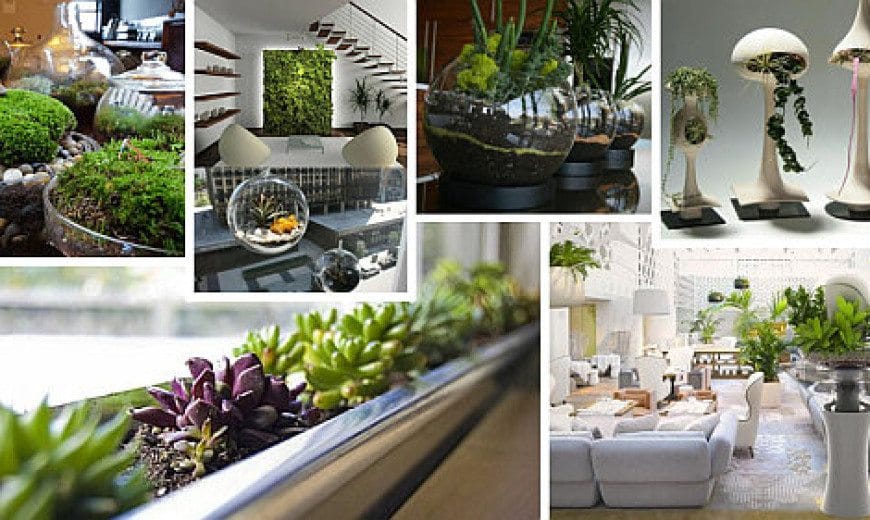
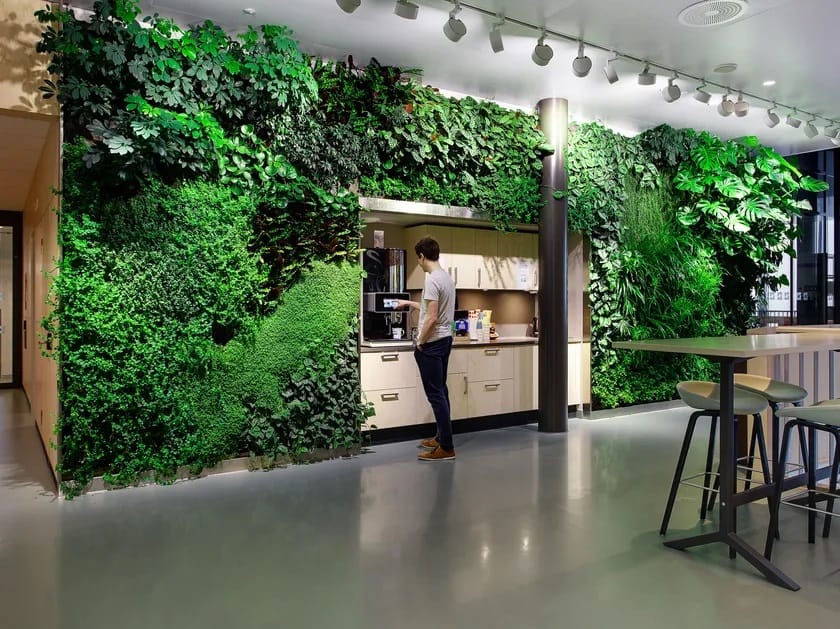
Choose small pots or hydroponic trays for herbs or lettuce, ensuring good ventilation to prevent mold. Sustainable tip: Recycle household water (e.g., from rinsing veggies) for watering, as Perth gardeners do, cutting tap water use by 15%.
Crafting a Sustainable Garden Layout
A thoughtful layout turns your space into a productive, beautiful garden. Here’s how to design one with sustainability in mind:
Zone by Needs: Divide your space into zones based on sunlight, water needs, and plant types. Place sun-hungry crops (e.g., peppers) in bright zones and shade-tolerant ones (e.g., mint) in dimmer areas. In Cape Town, balcony gardeners zone 3×5-foot spaces with sunny veggie pots upfront and herb containers in shadier corners.
Group for Efficiency: Cluster plants with similar needs—group drought-tolerant marigolds with rosemary, or water-loving basil with lettuce. This minimizes water waste and simplifies care. In Seoul, vertical racks hold grouped herb pots, streamlining watering.
Incorporate Verticality: Double your growing area with vertical solutions like wall planters, trellises, or tiered shelves. In Valencia, patio gardeners train beans on trellises, shading lower pots to reduce evaporation. Stackable planters or hanging baskets add layers without crowding.
Balance Aesthetics and Function: Arrange infrastructure for beauty—mix colorful pots, vary heights, and add pathways (e.g., stepping stones in larger spaces). In Kuala Lumpur, gardeners intersperse flower pots among veggies, creating a lush, inviting look that draws pollinators.
Plan for Growth: Leave room for plants to spread (e.g., 12 inches between pots for air circulation). Use modular setups like movable racks to adapt as plants grow. In Bogotá, gardeners shift container layouts seasonally to optimize sun exposure.
Key Factors When Choosing Your Garden Spot
Sunlight exposure ranks as the most critical factor for urban garden success. Most vegetables and herbs require 6-8 hours direct sun daily to produce abundant harvests. South-facing locations typically receive the most consistent sunlight throughout the day, while north-facing spots work better for shade plants and leafy greens that tolerate limited light conditions.
Soil quality
Soil quality testing reveals essential information about drainage, contamination levels, and fertility. Urban farming locations often have compromised soil due to construction debris, chemical runoff, or compacted earth. Raised beds provide excellent solutions for poor soil conditions, allowing gardeners to create optimal growing medium with proper soil drainage and rich organic matter.
Water access
Water access proximity significantly impacts garden maintenance routines and plant health. Gardens located near outdoor spigots or areas suitable for drip irrigation installation require less daily effort and produce more consistent results. Consider installing rain barrels for sustainable water collection, especially in regions with regular precipitation patterns.
Wind protection
Wind protection prevents plant damage and reduces water evaporation rates. Urban heat islands and wind tunnels between buildings can create challenging growing conditions. Natural barriers like hedges, strategically placed screens, or existing structures help create more stable microclimates that support healthy plant development.
Convenience factors determine whether gardeners maintain consistent care routines. Gardens positioned where they’re easily visible and accessible encourage regular interaction, watering, and harvesting. Security considerations protect investments in plants, containers, and infrastructure from theft, vandalism, or animal interference.
Understanding the 70/30 Gardening Rule
The 70/30 gardening rule provides a strategic framework for space optimization in small space gardening projects. Dedicating seventy percent of available area to main crops ensures reliable harvests of staple vegetables and herbs that families use regularly. These primary crops should match local growing conditions perfectly, focusing on varieties that thrive in available sunlight hours and container size limitations.
The remaining thirty percent becomes experimental space for testing new varieties, growing high-value crops like specialty herbs, or adding ornamental plants that enhance visual appeal. This approach balances practical food production with creative gardening exploration. Microgreens, exotic herb varieties, or unusual flowering plants can occupy these experimental zones without compromising essential food production areas.
Plant selection
Plant selection within this framework considers both space efficiency and nutritional value. High-yield crops like cherry tomatoes, leafy greens, and climbing beans maximize production per square foot. Specialty items such as expensive herbs or hard-to-find varieties provide significant cost savings when grown at home rather than purchased from specialty stores.
Designing Your Layout for Maximum Growth
The right infrastructure makes your garden sustainable, durable, and space-efficient. Here’s a deep dive into options:
Raised Garden Beds
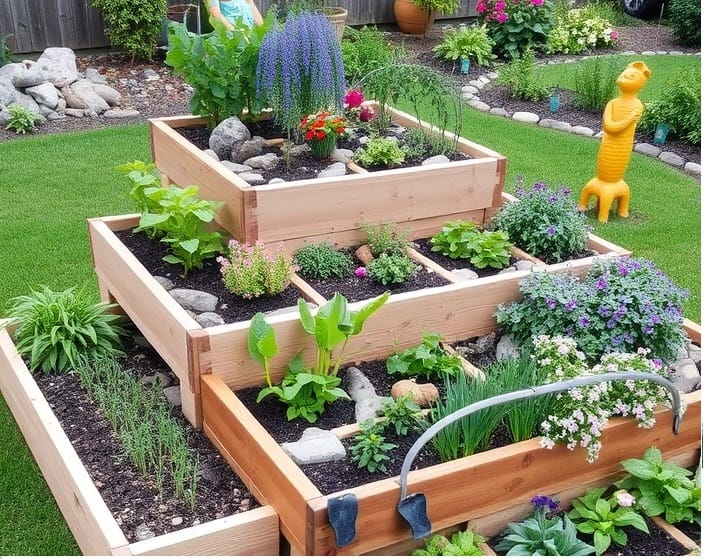
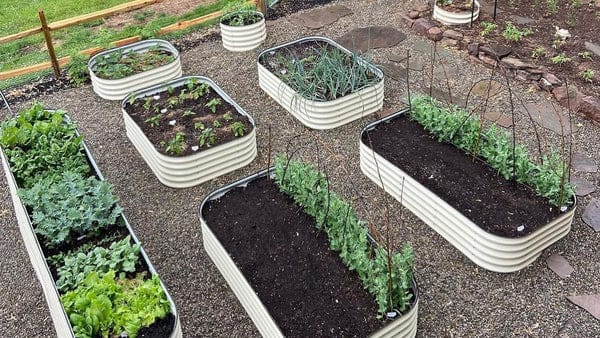
Perfect for balconies or rooftops with 2×2 feet or more, these 12-18-inch deep beds (wood, recycled plastic, or metal) hold deep-rooted crops like carrots or dwarf fruit trees. Line with coconut coir or burlap to retain moisture and prevent soil loss. In Hanoi, gardeners build beds from reclaimed pallets, reducing waste and adding rustic charm. Beds support companion planting (e.g., marigolds with tomatoes) to deter pests naturally.
Fabric Containers
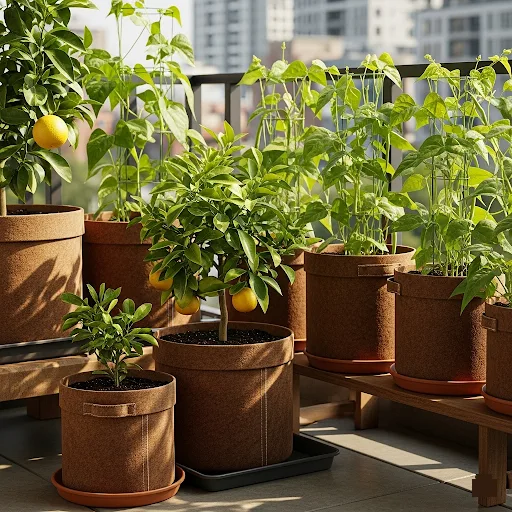
Lightweight 5-15-gallon fabric pots (made from recycled materials) are ideal for mobile gardens, hosting plants like dwarf citrus or beans. Their breathable design prevents root rot and promotes healthy growth. In Perth, balcony gardeners reuse fabric containers for years, folding them for storage. Place on trays to catch runoff, recycling water.
Clay and Recycled Pots
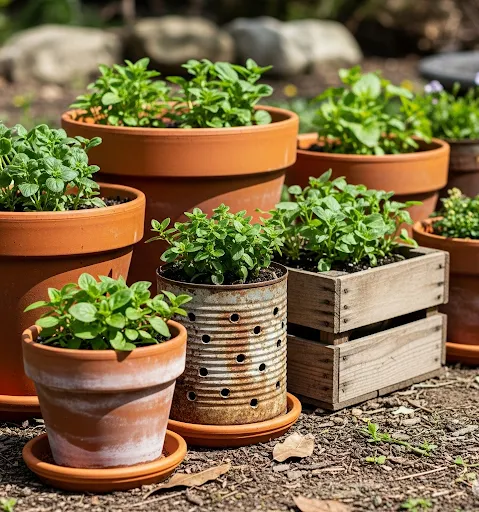
Choose 6-12-inch clay pots (biodegradable) or upcycled tin cans for herbs, flowers, or microgreens. Clay retains moisture in dry climates, while tin adds quirky style. In Toronto, windowsill gardeners paint recycled tins for basil, minimizing costs. Ensure drainage holes and group pots on saucers for water efficiency.
Hanging Baskets
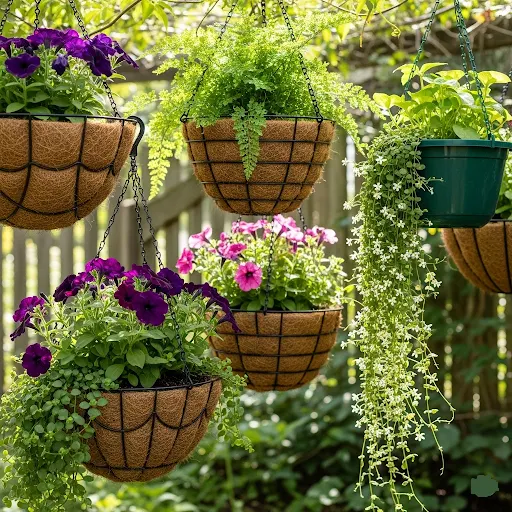
Suspend 8-12-inch baskets (wicker or recycled plastic) for trailing plants like nasturtiums or strawberries. Line with moss or coir to hold soil. In Mexico City, balcony gardeners hang baskets on railings, freeing floor space and adding vertical flair. Water sparingly to avoid drips.
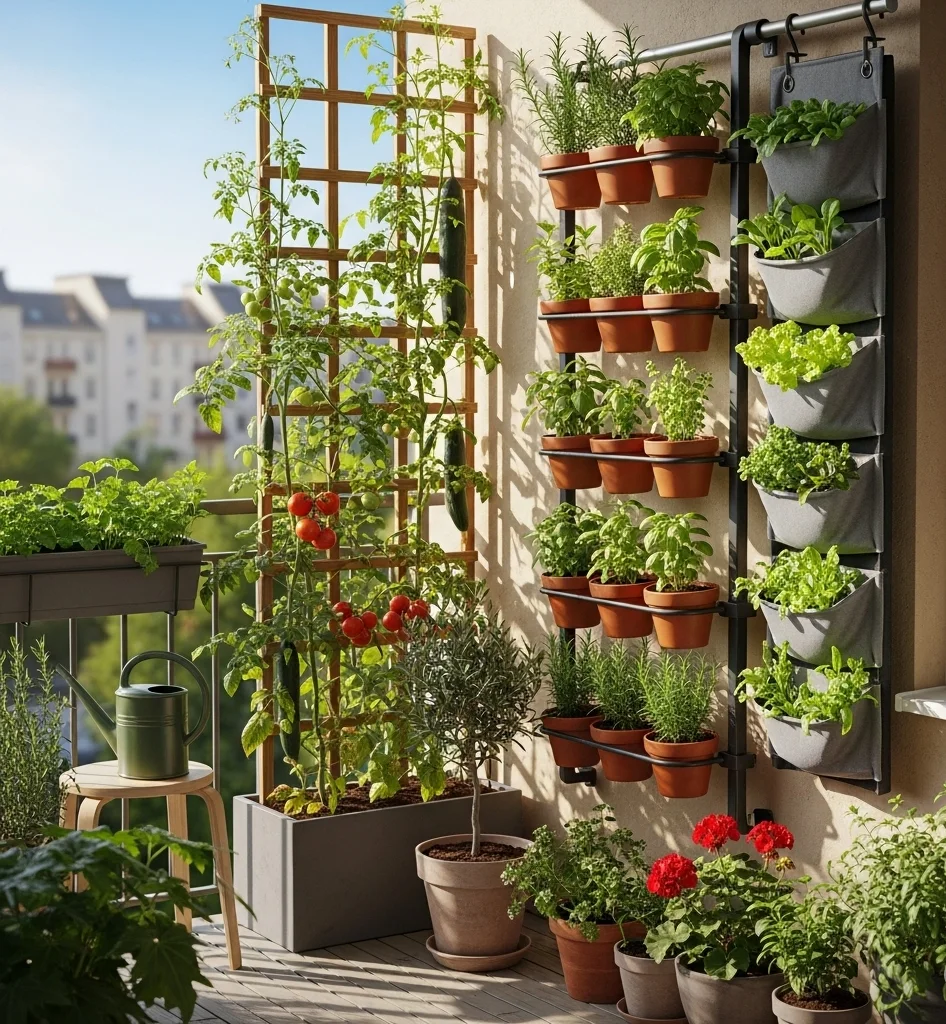
Vertical Racks and Trellises
Install metal or bamboo racks (2-4 feet tall) for stacked pots or climbing plants like peas. Trellises (wood or wire) support vines and shade lower crops. In Bangkok, vertical racks hold mint pots, while trellises create green walls, cooling urban heat.
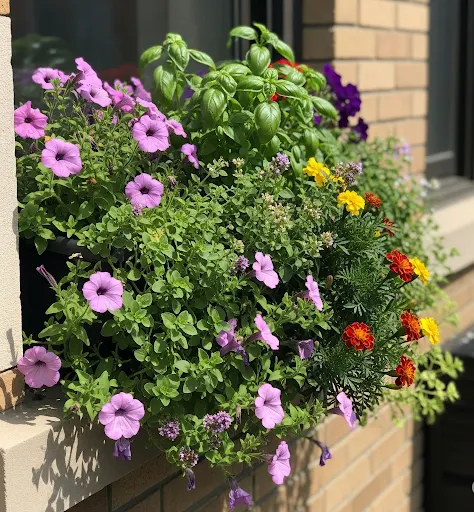
Window Boxes
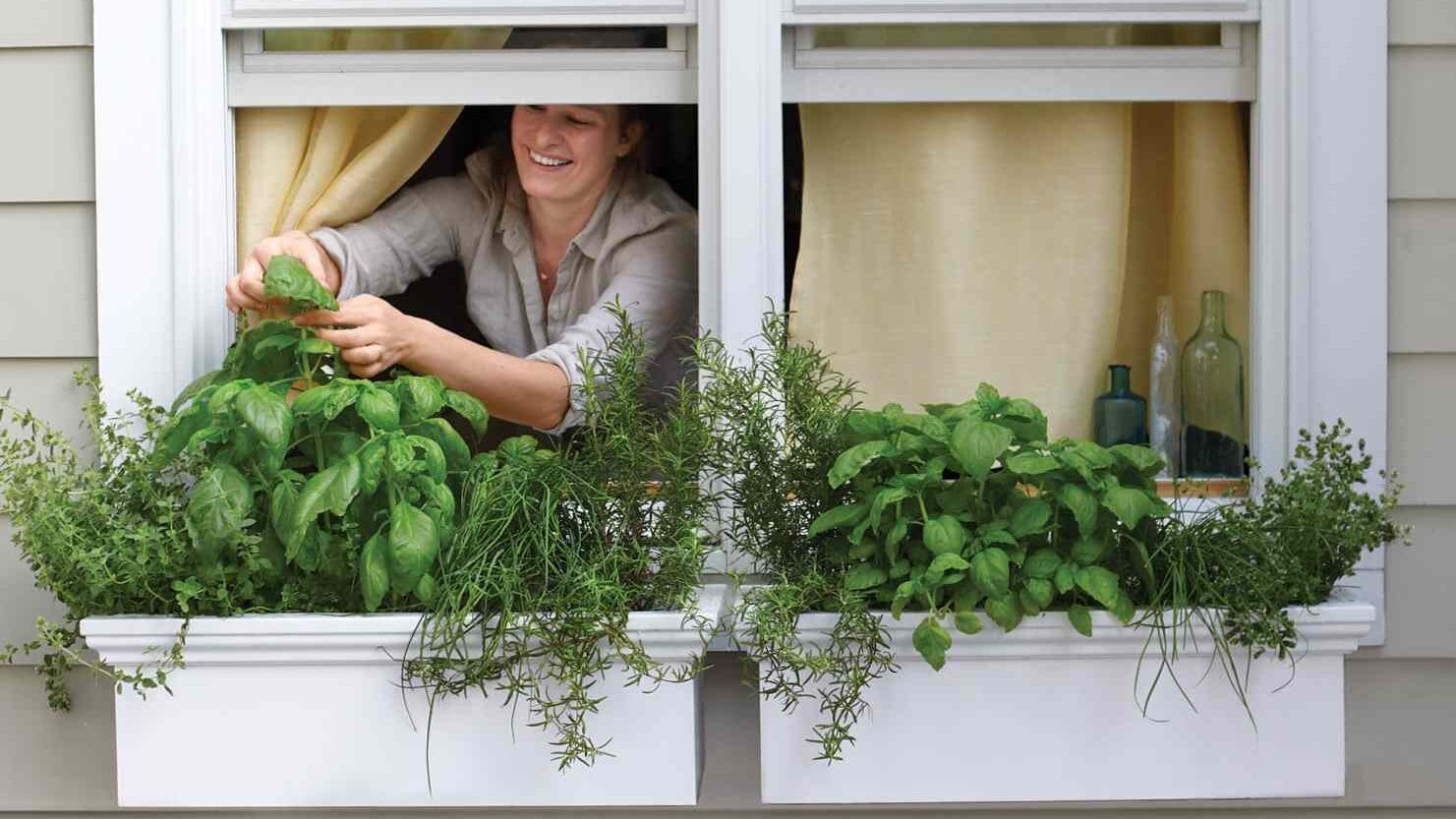
Mount 6-12-inch deep boxes (recycled plastic or wood) on sills or railings for shallow-rooted plants like lettuce or pansies. In Lisbon, gardeners line window boxes with felt to retain moisture, growing herbs year-round. Secure firmly to withstand wind.
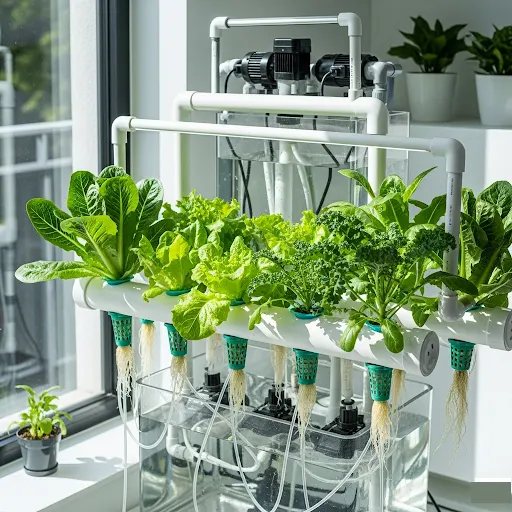
Hydroponic Systems
For high-tech small spaces, use compact hydroponic kits (e.g., 2×2-foot towers) with nutrient-rich water for greens or herbs. They use 90% less water than soil setups. In Kuala Lumpur, rooftop gardeners run solar-powered hydroponics, growing spinach sustainably.
Setting Up for Sustainability
Eco-Friendly Materials: Use peat-free soil, homemade compost, and recycled or biodegradable containers. In Cape Town, gardeners mix vermicompost into beds, enriching soil naturally. Source reclaimed wood or plastic for beds to cut environmental impact.
Water-Saving Strategies: Group plants by water needs and mulch with dry leaves, straw, or coconut husks to reduce evaporation. Install drip irrigation (e.g., bottle drippers) for beds or containers, a trick from Hanoi’s veggie growers. Use saucers or trays to collect and reuse runoff, minimizing waste.
Mobility and Adaptability: Opt for wheeled beds or lightweight pots for rented spaces or seasonal shifts. In Seoul, gardeners roll container carts to chase sunlight, adapting to weather. Modular racks let you reconfigure layouts as plants grow.
Maintenance and Durability: Clean pots and beds annually to prevent mold or pests. Seal wooden beds with eco-friendly varnish for longevity. In gardeners rotate crops in containers to maintain soil health, ensuring years of use.
Layout Strategies That Actually Work
2×3 ft Balcony (Airoli) – Vertical Strategy:
Setup:
- 3-tier vertical rack (holds 12 pots): ₹2,200
- 6 hanging baskets on railing: ₹1,800
- 4 window boxes: ₹1,600
- Wall-mounted herb garden: ₹1,800
- Total: ₹8,200
14-Month Results:
- Space utilized: 6 sq ft floor + 18 sq ft vertical = 24 sq ft total
- Harvest: 8kg basil, 4kg mint, 2kg cilantro, 1kg microgreens
- Value: ₹6,800
- ROI: 83% Year 1 (profitable Year 2+)
What Worked: Stacking pots vertically, railing-mounted baskets, rotating crops
What Failed: Bottom tier got insufficient light (switched to shade-tolerant herbs)
6×4 ft Balcony (Thane) – Mixed Container Strategy:
Setup:
- 2 raised beds (2×3 ft each): ₹6,000
- 8 large containers (10-15 gal): ₹4,800
- Drip irrigation: ₹2,800
- Support stakes/trellises: ₹1,400
- Total: ₹15,000
Results:
- Tomatoes: 18 kg
- Peppers: 8 kg
- Leafy greens: 6 kg
- Value: ₹13,600
- ROI: 91% Year 1
What Worked: Companion planting (tomatoes + basil), staked support, drip watering
What Failed: Overcrowding initially (reduced spacing to 18″ minimum improved yields 40%)
Indoor 4×3 ft Corner – LED Grow Light Strategy:
Setup:
- 4-tier metal shelving: ₹4,500
- 2 full-spectrum LED panels: ₹11,000
- 24 small pots (4-6″): ₹2,500
- Total: ₹18,000
Results:
- Year-round herb production: 28 kg total
- Basil (rotating plantings): 12 kg
- Mint: 8 kg
- Parsley, cilantro, microgreens: 8 kg
- Value: ₹12,400
- ROI: 69% Year 1 (breakeven Month 17)
What Worked: 12-hour daily LED, succession planting, climate control
What Failed: Initially too many plants per shelf (reduced to 6 per tier = healthier plants)
6 Costly Space Selection Mistakes (₹22,000 wasted)
Mistake #1: Choosing Large Shaded Space Over Small Sunny (Cost: ₹6,000)
- Selected 6×4 north-facing balcony over 2×3 south windowsills
- Yields were 60% lower despite 4x more space
- Wasted ₹6,000 on containers/soil for underperforming location
- Solution: Sunlight > Space. Always choose 4+ hours direct sun over size.
Mistake #2: Not Testing Sunlight Before Setup (Cost: ₹4,500)
- Assumed west balcony got “enough” sun
- Actually only 3 hours direct sun (buildings blocked afternoon)
- Plants stretched, leggy, poor yields
- Solution: Track sunlight hourly for 30 days before any investment. Use sun calculator apps.
Mistake #3: Ignoring Structural Weight Limits (Cost: ₹5,000)
- Loaded balcony with heavy ceramic pots + wet soil
- Building management issued warning (exceeded weight)
- Had to replace with lightweight fabric containers
- Solution: Check weight limits FIRST: Typical balconies = 50-100 kg/sq meter.
Mistake #4: Poor Wind Assessment (Cost: ₹3,200)
- Didn’t realize exposed rooftop had 60 kmph wind gusts
- First storm toppled 12 containers, destroyed plants
- Solution: Observe wind patterns 2 weeks. Install windbreaks before planting.
Mistake #5: Wrong Microclimate Analysis (Cost: ₹2,100)
- Placed herbs in “protected” corner—became heat trap (42°C summer afternoons)
- Plants stressed, died frequently
- Solution: Measure temperature variations across space. Use thermometer for 1 week.
Mistake #6: Accessibility Issues (Cost: ₹1,200 + frustration)
- Set up garden in hard-to-reach corner
- Watering was inconvenient → skipped days → plants suffered
- Redesigned for easier access
- Solution: Garden should be within 15 feet of water source and easily visible/reachable.
Troubleshooting Common Urban Garden Challenges
Limited sunlight challenges require creative solutions and appropriate plant selection. Shade-tolerant plants like leafy greens, herbs such as mint and parsley, and vegetables including spinach and lettuce produce well in partial sun conditions. LED grow lights can supplement natural light for indoor growing areas or deeply shaded outdoor locations.
Poor soil conditions become manageable through raised beds and container gardening approaches. These methods eliminate concerns about contaminated urban soil while providing complete control over growing medium composition. High-quality potting soil mixed with compost creates optimal conditions for root development and nutrient uptake.
Space restrictions demand vertical solutions and intensive growing methods. Vertical gardens utilizing trellises, wall-mounted containers, and hanging baskets dramatically increase growing capacity within limited footprints. Companion planting techniques pair compatible plants in single containers, maximizing production efficiency.
Pest and security issues require integrated management approaches. Physical barriers like fencing and netting protect plants from animal damage while community involvement creates natural surveillance systems. Organic fertilizer and natural pest deterrents maintain healthy plant immune systems without introducing harmful chemicals into urban environments.
Case Studies and Inspiring Urban Garden Layouts
Successful rooftop gardens demonstrate creative solutions to challenging urban conditions. One notable example in Toronto transforms a commercial building roof into productive growing space using modular raised beds and drip irrigation systems. Weight distribution calculations ensure structural safety while maximizing growing area through careful garden layout planning.
Balcony gardening success stories showcase intensive production in minimal spaces. A compact balcony design featuring vertical trellises, hanging baskets, and rolling container systems produces sufficient vegetables and herbs for daily family meals. Strategic plant selection focuses on high-value, continuously producing varieties that justify limited growing space.
Front yard transformations replace traditional lawns with productive urban gardens that benefit entire neighborhoods. These designs incorporate ornamental elements that satisfy homeowners association requirements while producing substantial food harvests. Mixed plantings of vegetables, herbs, and flowers create attractive landscapes that inspire community gardening interest.
Accra Balcony Haven: A 3×4-foot balcony hosts a raised bed for kale, vertical racks for herb pots, and hanging baskets for flowers. Mulched with straw, it uses 30% less water, inspiring neighbors to start gardens.
Valencia Rooftop Collective: A shared 12×12-foot rooftop blends hydroponic towers for lettuce with wooden beds for peppers, powered by solar panels. The layout’s vertical trellises cool the space, cutting urban heat by 2°C.
Frequently Asked Questions (FAQs)
Q: What if I only have a north-facing balcony?
From my north-facing testing (3-hour sun):
Plants that worked:
- Leafy greens: Lettuce, spinach, arugula (70% success)
- Herbs: Mint, parsley, cilantro (65% success)
- Microgreens: 85% success (shortest sun requirement)
Plants that failed:
- Tomatoes: Minimal flowering (20% success)
- Peppers: Stunted growth (15% success)
- Basil: Leggy, weak (40% success)
Solutions:
- Supplement with grow lights (4-6 hours): Improves success 50%
- Use reflective surfaces (white walls, mirrors): Adds 30-60 min effective light
- Focus on shade-tolerant plants only
- Consider relocating to windowsills if they get more sun
Realistic expectation: North-facing = 50% productivity of south-facing. Plan accordingly.
Q: Can windowsills really replace a balcony garden?
YES! My testing proved it:
Windowsill Advantages:
- Higher light quality (direct, unobstructed)
- Better space efficiency ($/sq ft productivity)
- Year-round growing (climate controlled)
- Lower setup cost (₹6,500 vs ₹15,000 balcony)
My 3-windowsill setup (8 linear ft):
- Initial investment: ₹6,500
- Annual harvest: 18 kg herbs
- Market value: ₹8,200
- ROI: 126% (profitable Month 10!)
Best windowsill candidates:
- Herbs (especially basil, mint, cilantro)
- Microgreens
- Small lettuce varieties
- Green onions
Limitations:
- Cannot grow: Tomatoes, peppers, large vegetables
- Space constraint: Maximum 24-30 pots across 3 sills
- Must have south/east/west exposure (north won’t work)
Verdict: For herbs only, windowsills beat balconies. For vegetables, need larger space.
Q: Is indoor growing with LEDs worth the cost?
Based on my 14-month indoor corner test:
The Numbers:
- Setup: ₹18,000 (shelving ₹4,500 + LEDs ₹11,000 + pots ₹2,500)
- Electricity: ₹180/month (12 hrs daily × 2 panels × ₹8/unit)
- 14-month total cost: ₹20,520
- Value produced: ₹12,400 (28 kg herbs)
- Current ROI: -40% (losses)
- Projected breakeven: Month 24-26
It’s Worth It IF:
- You have zero outdoor space
- You want year-round herbs (₹200-400/kg store-bought)
- You’re committed 2+ years
- Electricity cost acceptable
NOT Worth It IF:
- You have any sunny windowsills/balcony
- Short-term renter (<2 years)
- High electricity rates
- Expecting quick profitability
My Verdict: Indoor LEDs = highest quality year-round herbs but slowest ROI. Best for passionate gardeners, not profit-seekers.
Q: How do I maximize tiny spaces (under 10 sq ft)?
From my 2×3 ft balcony success:
Vertical Multiplication:
- Wall-mounted racks: Add 2-3x growing area
- Railing planters: Use unused railing space (6-10 pots)
- Hanging baskets: Utilize overhead space
- Stacked containers: 3-tier systems triple capacity
My 6 sq ft floor became 24 sq ft total growing space!
Plant Selection:
- Prioritize high-value crops (herbs ₹300-400/kg vs lettuce ₹60-80/kg)
- Choose compact varieties (dwarf tomatoes, bush beans)
- Succession planting (new crop every 3 weeks)
Layout Strategies:
- Tallest plants at back (north side)
- Medium plants in middle
- Shortest at front (south side)
- Prevents shading
Results: My 2×3 ft balcony produced ₹6,800 value annually = ₹1,133 per sq ft!
What’s the absolute minimum space needed?
From testing:
For Herbs Only: 4 linear feet of south-facing windowsill
- 8-12 pots (4-6″ size)
- Investment: ₹2,500-₹3,500
- Annual value: ₹4,000-₹6,000
For Herbs + Greens: 2×3 ft balcony/patio
- 12-18 containers
- Investment: ₹6,000-₹8,000
- Annual value: ₹6,000-₹8,000
For Vegetables: 4×4 ft minimum (16 sq ft)
- 6-8 large containers (10-15 gal)
- Investment: ₹10,000-₹12,000
- Annual value: ₹10,000-₹14,000
Absolute minimum for ANY gardening: 2 sq ft of 6+ hour sun
- Can grow: 4-6 herb pots or microgreens
- Investment: ₹1,200-₹1,800
- Annual value: ₹2,000-₹3,000
Reality check: More space = easier management. Under 10 sq ft requires intensive vertical solutions and careful plant selection.
Q: How much sun does my garden need?
Most vegetable crops require 6-8 hours direct sun daily for optimal production. Leafy greens and herbs tolerate partial shade conditions, while fruiting plants like tomatoes and peppers need full sun exposure. Morning sun proves more valuable than afternoon light for plant health and productivity.
Q: What crops are best for small spaces?
High-yield varieties like cherry tomatoes, herbs, leafy greens, and climbing plants maximize production in limited areas. Container gardening expands options for root vegetables, while vertical gardening supports beans, peas, and cucumbers efficiently.
Q: How can I garden in a yardless home?
Indoor gardening using windowsills, balcony gardening, and community garden participation provide alternatives to traditional yard gardening. LED grow lights enable year-round indoor production, while container gardening offers flexibility and mobility.
Q: What are must-have garden infrastructure elements?
Essential infrastructure includes reliable water access, adequate sun exposure, proper soil drainage, and wind protection. Raised beds or quality containers, basic gardening tools, and organic fertilizer complete the fundamental requirements for successful urban gardening.
Conclusion: Reaping the Benefits
The journey to find the perfect spot for your urban garden is as rewarding as the harvest itself. A well-planned garden offers more than just fresh produce. It provides a beautiful green escape, a chance to connect with nature, and a deep sense of accomplishment. By thoughtfully choosing your location, layout, and infrastructure, you are setting yourself up for a successful and enriching urban gardening experience.
Start Designing Your Garden Space
Sketch your space, pick one infrastructure piece—a recycled pot or a vertical rack—and start today! Share your layout ideas or garden snaps in the comments or tag us on Instagram (@thetrendvaultblog). Subscribe to The Trend Vault Blog for more eco-chic urban gardening tips with a global twist, and grow a sustainable urban jungle!

About Priya Harini
Urban Gardening Specialist & Content Researcher
Priya combines rigorous agricultural research with hands-on testing in her urban garden laboratory. Every method recommended on The Trend Vault Blog has been personally validated in real growing conditions before being shared with readers.
🔬 Research-Based: Combines peer-reviewed studies with practical testing
🌱 Personally Tested: Every method validated in real urban conditions in Madanapalle
📍 Location: Growing in Madanapalle, AndraPradesh
⏱️ Specializing in: Sustainable urban gardening, small-space optimization, global methods
“Every method I recommend has been personally tested or backed by university research.”
actionfuelsmomentum.bond – Love the vibe here, everything loads fast and looks super clean.
claritydirectionhub – Suggestions keep workflow clear and help focus on meaningful actions.
partnercollective – Well defined, partnerships here feel structured and globally aware.
motionpilot – Applying logical momentum guides my projects in the right direction.
signalcreatesalignment.bond – Looks great on mobile too, everything feels quick and nicely put together.
actionpulse – Very practical, continuous movement drives goals forward efficiently.
trustedvisionnetwork – Practical perspective, trust and clarity in vision make collaborations more effective.
clarityengine – Proper guidance produces leverage that simplifies moving work forward.
activemotionsignal – Guidance is straightforward and motivates real action.
trustedpartnersnetwork – Great guidance, this partnership emphasizes dependability and mutual benefit.
momentumbeacon – Clear insight ensures tasks advance consistently and projects achieve results.
cooperationhub – Balanced partnership concept, connections seem purposeful and fair.
momentumengine – Taking repeated steps helps projects gain momentum and move forward smoothly.
growthbeacon – Clear direction energizes growth, helping projects move forward more effectively.
taskcompass – A well-designed framework simplifies execution and keeps progress steady.
nextgenpartners – Strong outlook, the network promotes innovation and sustainable collaboration.
BondedUnityNetwork – Well-laid-out, information feels focused and approachable.
alliancenetwork – Develop relationships that support growth, cooperation, and professional impact.
connectionvalues – Strong foundation, relationships are built around honesty and trust.
HubOfBondedVisions – Smooth interface, the site makes learning or exploring content effortless.
actioncompass – Focused, repeated actions turn ideas into visible results.
collaborationcore – Confident approach, the circle highlights partnership potential clearly.
Capital Group Hub – Smooth design with helpful guides made accessing information quick and easy.
AllianceBridge – Easy to follow tutorials, everything loads quickly and clearly.
worldwidepartners – Balanced message, partnerships emphasize unity and scalable collaboration.
Collective Value Resources – Friendly, organized content makes grasping concepts effortless.
IroncladAlliancePortal – Smooth navigation, content is practical and straightforward.
bondednetwork – Clear alliance direction, the concept feels mature and dependable.
unitydrivenbond.bond – Fast website performance and clear information, everything loads quickly without a hitch.
Harvest Sphere – Wandered here randomly, yet found the pages very readable.
ActivationHub – Easy-to-follow guides, navigating the site is smooth and quick.
StrategyPath – Friendly structure and practical tips, applying ideas feels fast and natural.
FocusHub – Helpful tips presented simply, everything made sense quickly.
MomentumEdge – Friendly layout and useful tips, navigating content is simple and intuitive.
FocusNexus – Intuitive interface with practical tips, understanding content is simple.
PartnerCore – Organized layout, exploring tips and guides feels effortless.
PlannerOrchestrator – Easy-to-follow content, learning and applying tips is simple and efficient.
SequenceNest – Very clear and organized, planning sequences is straightforward and fast.
UnityBondHub – Friendly interface, organized layout, navigating resources feels fast and effortless now.
WealthNetwork – Clear steps make following strategies natural and simple.
ModernStream – Practical layout, exploring content and ideas is fast and easy.
WorksFlow – Clear guidance and organized layout help users navigate content quickly.
ForwardGrowth – Clear guides and practical tips, navigating the site feels smooth and easy.
BondWayHub – Clear layout and helpful resources, exploring content is easy and fast.
quick access link – Pages load fast and the explanations are simple to understand.
InspirationHub – Clean navigation, browsing creative ideas feels natural today.
PowerNavigator – Organized design, exploring business ideas feels fast and straightforward.
Hollow Creek Treasures – Navigation is smooth, products are visible and shopping is straightforward.
ideas that move – A motivating read with practical insights throughout.
actionable idea flow – Enjoyed how practical and motivating the content feels.
clarity centric approach – Well written and engaging, the message comes through clearly.
RapidSkillBoost – Supports fast improvement and confident learning outcomes.
build forward steps – This is short but still manages to share useful insight.